
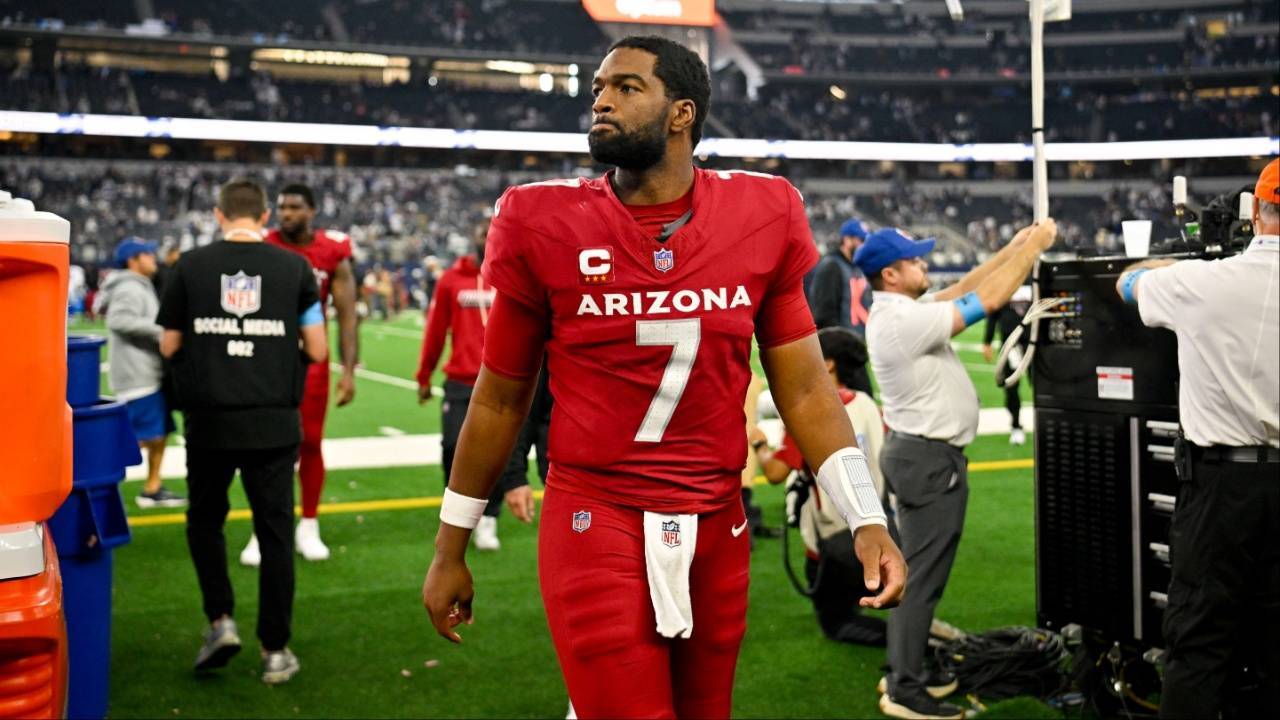
The Jacoby Brissett trade is a sensible recovery of value for the Arizona Cardinals, even after accounting for the salary payment. Arizona sent Brissett and a 2027 fifth-round pick to the Baltimore Ravens for a 2027 fourth-rounder and a 2028 seventh-rounder. The Cardinals also converted $2.7 million of salary into a bonus before completing the deal on November 6, 2026.
General manager Monti Ossenfort’s completed deal deserves a favorable verdict because the alternative was retaining a quarterback already demoted to third string. Baltimore acquired an experienced replacement, while Arizona improved its draft assets and opened practice opportunities for rookie Carson Beck. The return looks reasonable against a recent quarterback-trade precedent, although the financial consequences require more care than a simple salary-dump description.
The Jacoby Brissett Trade Upgraded A Pick, Not An Entire Draft
The Cardinals surrendered a fifth-rounder to obtain the fourth-round selection, making the net return smaller than the headline acquisition suggests. A future seventh-round pick adds another selection, but the main benefit is moving an existing draft opportunity into an earlier round. Exact selection numbers remain unknown, so assigning a precise draft-chart value would create certainty the transaction does not yet support.
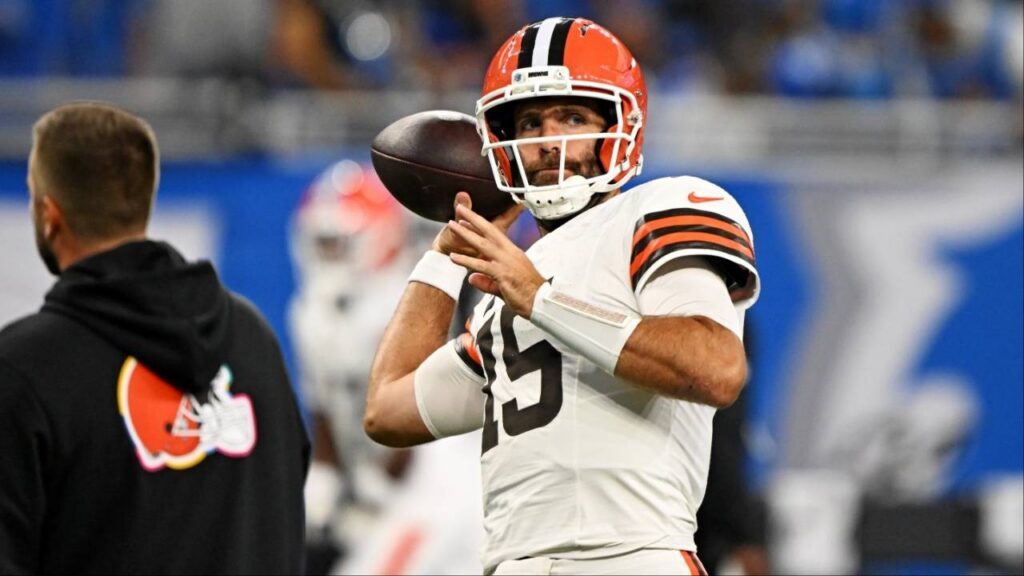
Joe Flacco’s October 2025 move offers a useful trade comparison. The Cleveland Browns sent Flacco and a 2026 sixth-round pick to the Cincinnati Bengals for a 2026 fifth-rounder. Cleveland therefore also exchanged a veteran quarterback and a later selection for a one-round upgrade.
Arizona secured an upgrade involving earlier rounds, plus the additional seventh, giving Ossenfort a credible benchmark for defending the package. Different contracts, draft positions, and player circumstances prevent treating the two deals as equivalent. The Browns’ return nevertheless shows that a pick swap can represent a legitimate veteran-quarterback market rather than evidence of a failed negotiation.
The $2.7 Million Payment Was Salary Already Owed

ESPN’s Field Yates reported the salary conversion, with approximately $2.43 million in remaining salary passing to the Ravens. The $2.7 million payment came from an existing obligation, meaning keeping Brissett would not have avoided paying that portion of his compensation. The Cardinals retained part of the bill while transferring another part and collecting draft value.
The restructuring made Brissett cheaper for the acquiring team, but the available reporting does not establish precisely how much it improved the draft return. A claim that Ossenfort purchased a specific pick upgrade would go beyond the disclosed terms. The stronger argument is that accepting some remaining salary helped make a transaction possible without leaving the entire obligation in place.
Cardinals Wire also reports a projected $8.55 million dead-cap charge for 2027, including $1.35 million added by the conversion. Over The Cap’s contract breakdown already listed substantial bonus charges in a 2027 void year before the transaction. Treating the entire projected charge as newly created by this trade would therefore exaggerate its financial damage.
Brissett’s Production Limits The Insurance Argument
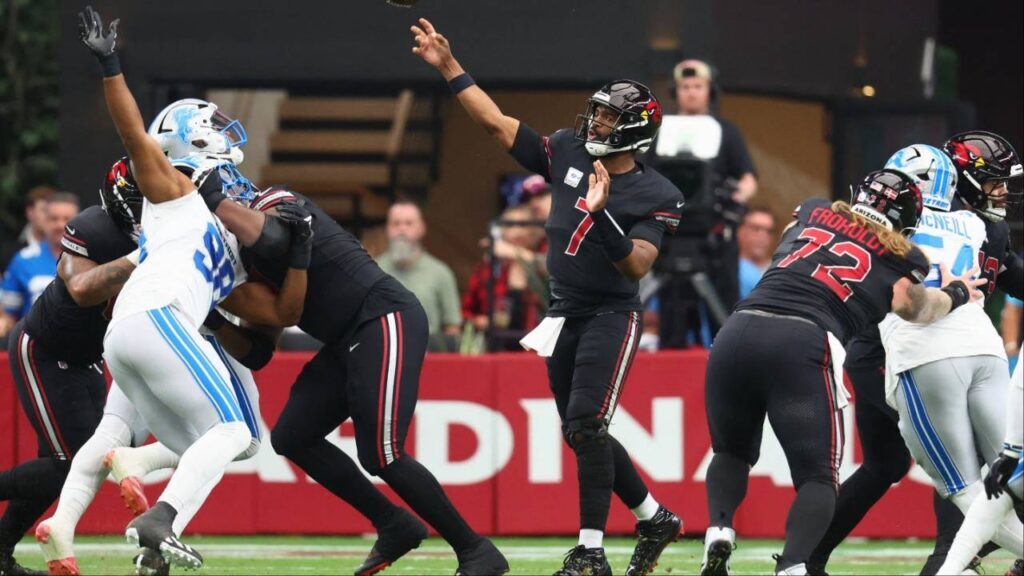
Brissett’s season statistics show 1,719 passing yards, 10 touchdowns, seven interceptions, and a 79.7 passer rating through eight appearances. An average of 5.6 yards per attempt matters more to this decision than experience by itself. Arizona would have been preserving a familiar option whose current production had already contributed to the search for a different starter.
Head coach Mike LaFleur promoted Gardner Minshew II after his relief performance helped beat the Dallas Cowboys 33-30 in overtime. Minshew threw for 188 yards and three touchdowns, while Beck moved ahead of Brissett as the backup. The previous quarterback change analysis examined the experience sacrificed behind that revised order.
Keeping Brissett would provide another option if the new arrangement failed, but his value as insurance depended on a willingness to use him. The Cardinals had already chosen Beck as the next quarterback available for ordinary backup duty. Retaining the veteran for the remaining season would mean paying for a fallback the coaching staff had placed behind its preferred developmental option.
A Desperate Buyer Still Had A Defensible Price
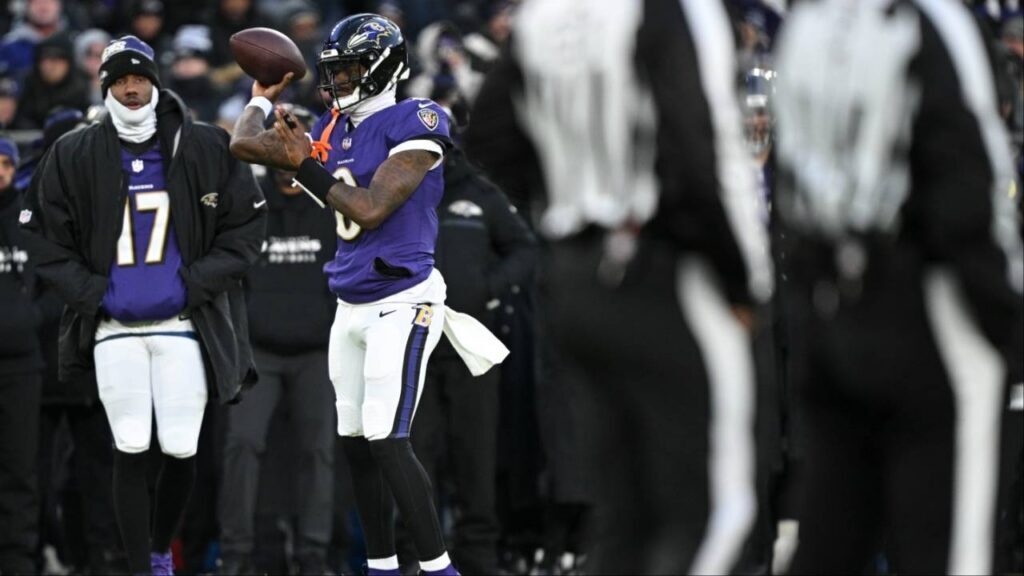
Lamar Jackson and Tyler Huntley landed on injured reserve, creating the opening for Baltimore to pursue Brissett. The Ravens’ team report documented four consecutive defeats and four straight games scoring fewer than 14 points. An experienced quarterback offered a plausible intervention for an offense struggling to function.
The earlier career lifeline analysis explained why a starting opportunity could benefit Brissett after his demotion. Baltimore’s need strengthens the case for acquiring help without proving that any asking price would have been acceptable. The Ravens took on remaining salary and sent a fourth-rounder, while the incoming fifth-rounder limited their draft cost.
Arizona found a buyer whose immediate need exceeded its own use for Brissett, which is the central reason the exchange works. The transaction does not require either quarterback to become a long-term answer for both sides to receive something useful. Baltimore needs competent starts, while the seller gains resources from a player already outside its first two choices.
Beck’s Practice Reps Are The Immediate Football Return
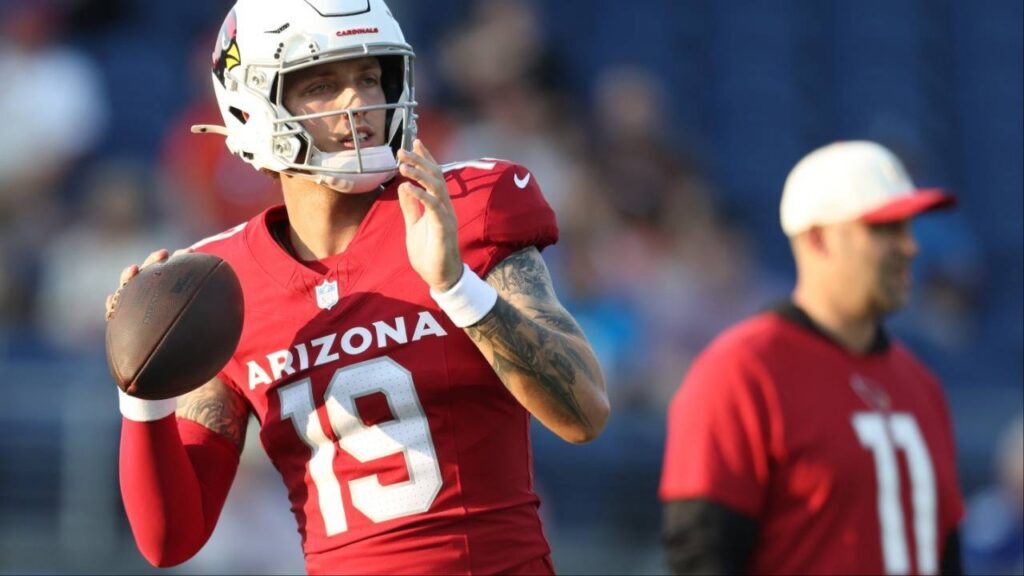
Ossenfort identified additional repetitions for Beck as a benefit of the move, giving the developmental argument a specific purpose. The Arizona Republic’s practice reporting explained that Beck and Minshew previously split scout-team opportunities. The rookie can now receive the full scout-team workload instead of sharing that limited practice time.
Beck’s backup preparation matters because his promising Hall of Fame Game remained his only preseason appearance. Beck completed 15 of 19 passes for 188 yards and a touchdown before a rib injury cost him the remaining exhibitions. More practice cannot reproduce regular-season pressure, but the lost exhibition work makes those additional repetitions particularly useful.
End Of My Jacoby Brissett Trade Rant
The Jacoby Brissett trade earns a favorable grade because the compensation fits a recognizable market and the remaining salary transfer has real value. The Cardinals accepted future cap consequences while obtaining something useful for a player already demoted behind two alternatives. Ossenfort’s decision depends partly on whether the coaching staff’s confidence in Beck proves justified.
Arizona should now follow through on that choice by preparing Beck and giving Minshew a fair opportunity to establish consistent production. A later struggle would not automatically make keeping a third-string veteran the better decision. The trade stands as a reasonable exchange of third-string experience for draft value, reduced remaining salary obligations, and needed rookie practice time.
