
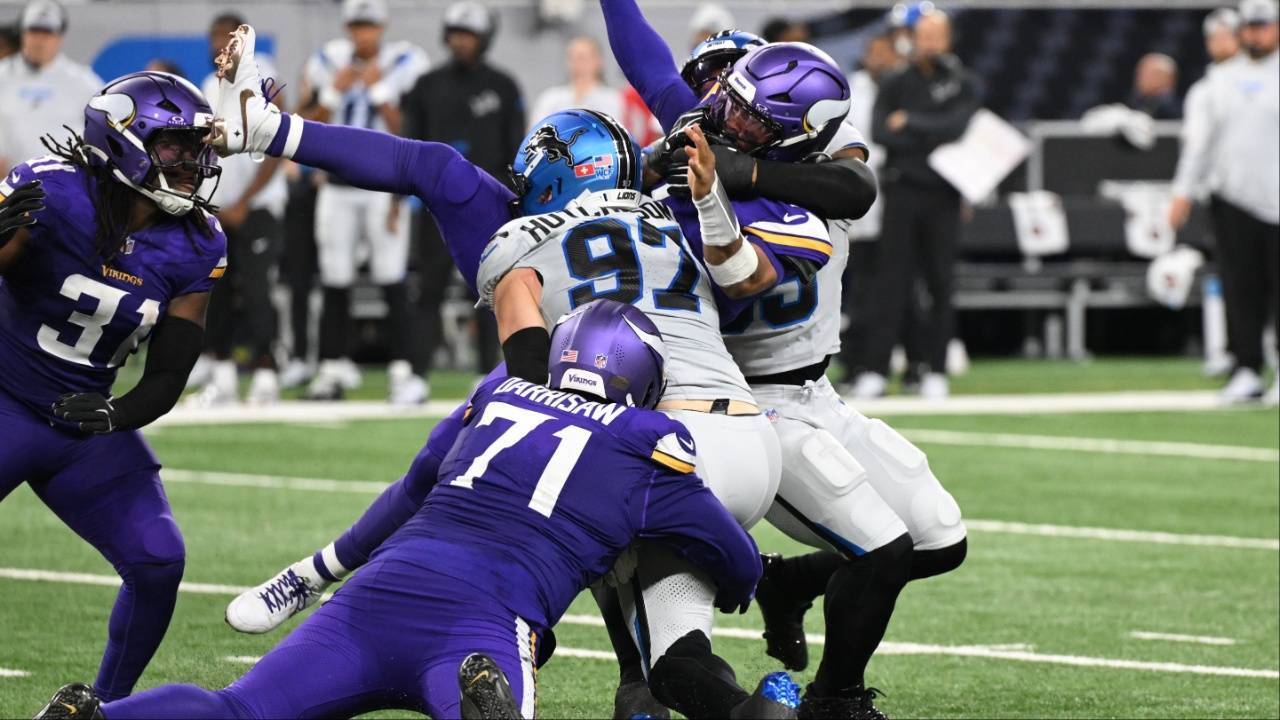
The leading NFL Super Bowl contenders deserve scrutiny beyond their records, and the 6-1 Minnesota Vikings carry the most dangerous weakness in this group. Minnesota’s offense repeatedly reaches third down because early plays fail to generate enough progress. The Vikings can field an outstanding defense and still enter January with a problem opponents can exploit without winning a shootout.
Season statistics cover games completed through Week 8 of the 2026 season, with injury reporting updated through November 5. The six selections illustrate different obstacles: penalties, availability, pass coverage, third-down offense, defensive drive endings, and early-down production. Rankings weigh persistence, playoff consequences, and difficulty of repair, with No. 1 identifying the most dangerous weakness rather than the strongest contender.
6. Chicago Bears (6-2): Discipline Gives Opponents Extra Chances
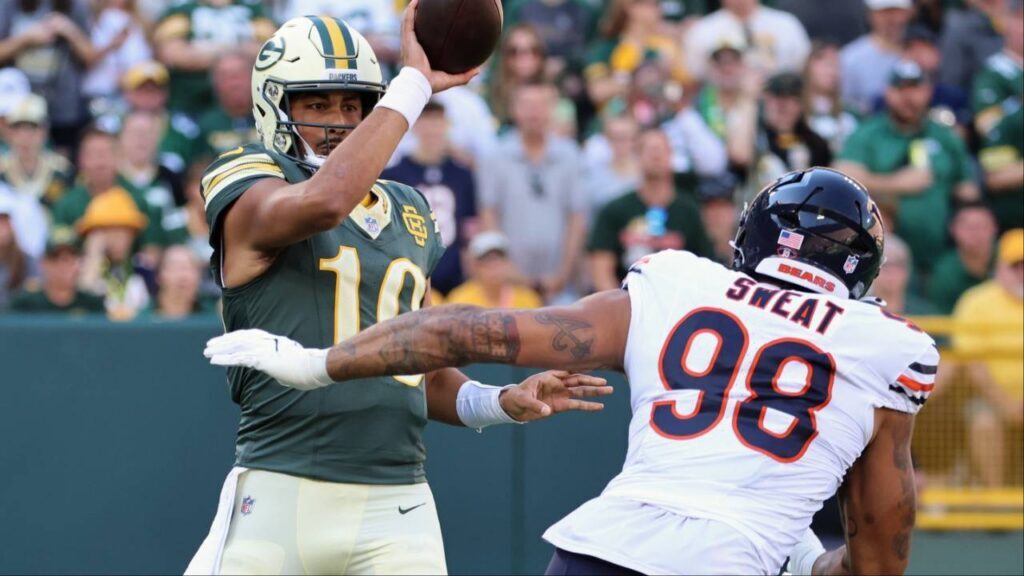
The Chicago Bears have committed 17 defensive penalties for 152 yards, a subset of 63 total accepted penalties in the season penalty breakdown. Chicago committed 10 for 85 yards during a 34-17 victory over the Seattle Seahawks. The Bears also had two Montez Sweat sacks nullified by penalties, turning successful pressure into opportunities the opponent had not earned.
Chicago has surrendered 15 first downs through penalties, according to the team’s season statistics. Defensive tackle Jeffery Simmons immediately strengthened the pass rush, but additional disruption loses value when flags erase the result. A playoff opponent receiving a fresh set of downs can turn a defensive stop into another scoring opportunity.
The Bears rank sixth because discipline offers a more direct repair than replacing missing production or changing an offense’s identity. Cleaner execution would preserve the benefits of the upgraded front without requiring another major acquisition. Chicago needs the defensive improvement to survive the officiating announcement after the play.
5. San Francisco 49ers (6-1): Injuries Shrink The Available Playbook
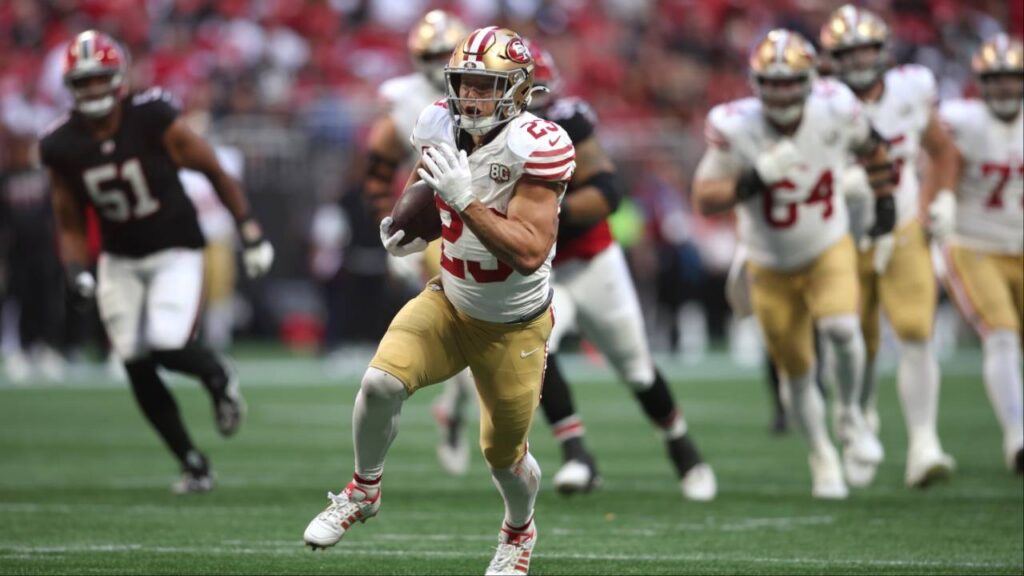
The San Francisco 49ers’ injury concern reaches beyond a collection of missed practices. General manager John Lynch said November 5 that Mike Evans was unlikely to return for Week 9, according to NBC’s reporting. San Francisco had already played without Evans before its bye, so the lost availability extends across multiple game weeks.
The 49ers’ receiving totals credit Evans and Deebo Samuel Sr. with 626 combined yards and six touchdowns. Christian McCaffrey returned to limited practice Thursday, while Samuel remained sidelined with a hamstring injury. McCaffrey has supplied another 640 scrimmage yards and eight rushing touchdowns, making his improving availability significant for the offense.
San Francisco still averages 6.2 yards per offensive play, so describing the offense as broken would overstate the evidence. Losing established threats instead concentrates responsibility on the remaining healthy targets and removes combinations that complicate defensive preparation. Recovery could restore those options, which keeps the availability concern below the entrenched performance problems that follow.
4. Buffalo Bills (6-1): Pass Defense Still Has Something To Prove
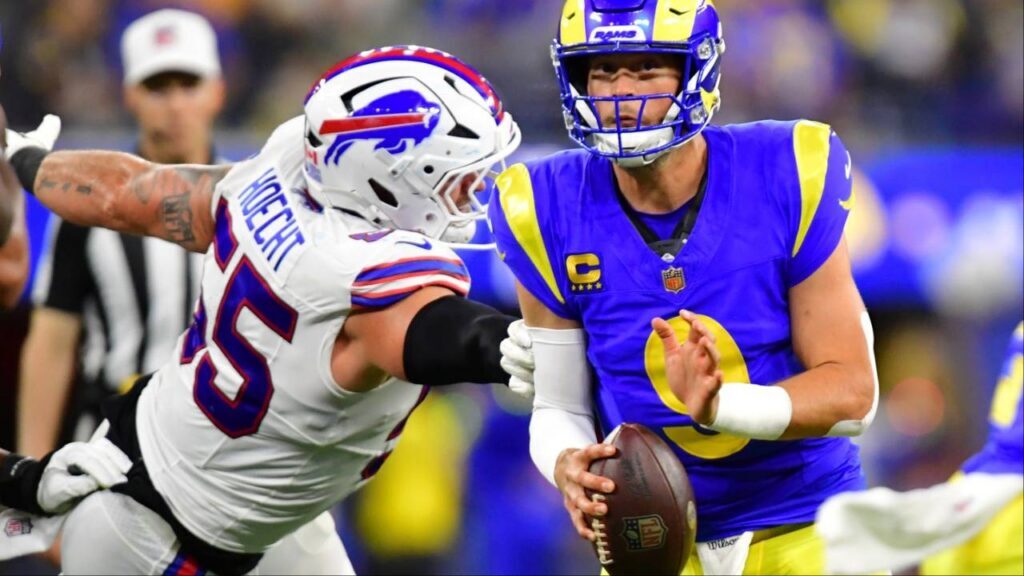
The Buffalo Bills entered Week 8 allowing 285.8 passing yards per game, the league’s second-worst figure, according to their defensive assessment. Buffalo lowered it scoring allowance from 28.5 to 25.9 points per game by holding the Baltimore Ravens to 10. The Bills still rank 24th in scoring defense in Sharp Football Analysis’ current comparison.
Buffalo increased its aggression through coordinator Jim Leonhard’s 64.5% blitz rate, although Lamar Jackson exited after one snap. Leonhard planned the pressure before the injury, making the adjustment meaningful even with that qualification. A stronger passing opponent can still punish extra rushers by identifying an available receiver before the pressure arrives.
The Bills’ playoff test involves combining pressure with coverage that prevents a quick completion from becoming an explosive gain. Josh Allen gives the offense room to survive defensive mistakes, but repeated high-scoring demands make every stalled possession more expensive. Buffalo deserves credit for attempting a repair, while the pass defense needs sustained evidence before championship confidence catches up.
3. Denver Broncos (6-2): Third Downs Keep The Offense Trapped
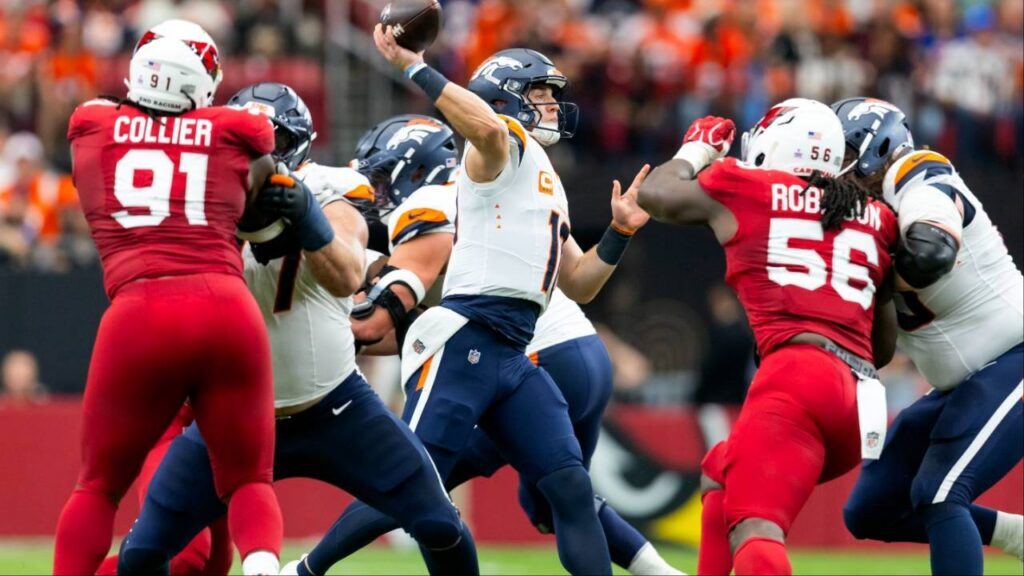
The Denver Broncos’ updated offensive totals show 2,184 yards through eight games, an average of 273 per outing. Denver has converted 30 of 101 third downs, just 29.7%, while averaging 4.6 yards per offensive play. The Broncos rank last in conversions, making the late-game successes harder to trust as a complete offensive solution.
Denver erased a 24-13 fourth-quarter deficit against the Kansas City Chiefs in a 28-24 victory. Bo Nix deserves credit for producing under pressure, but the defense still needed a goal-line stand to preserve the win. A stronger third-down offense would create more possessions that end on the Broncos’ terms instead of requiring another defensive escape.
Denver ranks above the preceding teams because eight games of inefficient production demand more than cleaner execution on a handful of snaps. Offensive improvement must become visible across ordinary possessions, including drives without fourth-quarter urgency. Playoff opponents should have to defend a functioning offense before the final minutes force aggressive decisions.
2. Cincinnati Bengals (5-2): Successful Stops Still Allow Costly Breakdowns
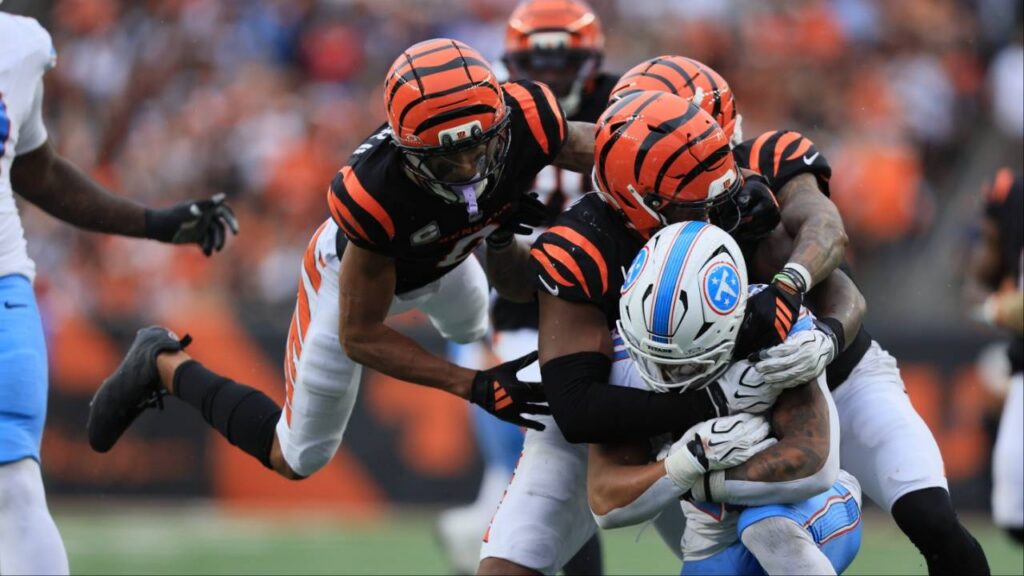
The Cincinnati Bengals have surrendered 856 rushing yards on 177 attempts, a 4.8-yard average, according to their defensive statistics. Cincinnati also allowed opponents to convert 43 of 91 third downs, approximately 47.3%, ranking 29th in third-down defense. The Bengals’ problem extends beyond conceding yardage because failed third-down stops prevent the defense from ending possessions.
Cincinnati’s own opponent preview credits the defense with allowing the fifth-lowest rushing success rate at 33.3%. Rushing success rate measures how often a run meets a down-and-distance benchmark; yards per carry also reflects the size of damaging exceptions. The Bengals need to turn favorable run-defense snaps into drives that end before the opponent reaches scoring range.
Cincinnati allowed the Tennessee Titans 440 total yards in its 43-36 overtime victory, including 117 rushing yards from Tony Pollard. Joe Burrow can rescue a vulnerable defense, but requiring extraordinary quarterback production increases the cost of every offensive mistake. The Bengals rank second because opponents have routes to both productive early downs and extended possessions.
1. Minnesota: The Sharpest Warning Among NFL Super Bowl Contenders
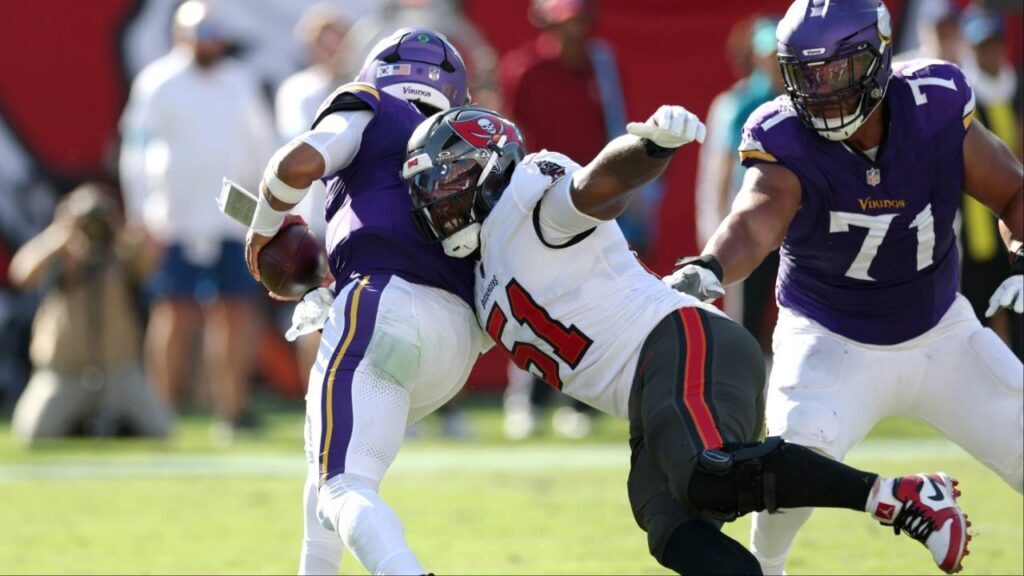
Minnesota averages 1.75 offensive points per drive, ranking 28th in Sharp Football Analysis’ Week 9 breakdown. The Vikings rank last in early-down offensive success rate at 30.7%, with a league-high 59.1% of down series reaching third down. Minnesota repeatedly leaves the offense needing a conversion because first and second down have not done enough.
The Vikings’ 19-15 loss to the Detroit Lions provided a concrete example: three third-down conversions in 10 attempts and 266 total yards. Minnesota then went three-and-out after surrendering the late lead, according to the opponent’s postgame breakdown. Quarterback Kyler Murray’s offense could not produce the response required to regain control.
The Vikings’ offensive statistics show a 9.8% sack rate, compared with 3.8% for Denver’s passing offense. Coach Kevin O’Connell announced Thursday that Carson Wentz will start against the Bills, with Kyler Murray considered week-to-week because of his hamstring. The quarterback change adds uncertainty to an offense already struggling to stay ahead of third down.
End Of My NFL Super Bowl Contenders Rant
The NFL Super Bowl contenders should be judged by the problems opponents can repeatedly force them to confront. Minnesota cannot keep asking an excellent defense to make modest offensive production sufficient. The Vikings have earned respect through victories, but the offense has not earned the same championship confidence.
Buffalo remains the stronger championship bet because Josh Allen offers a way to overcome defensive breakdowns. Minnesota’s defense can keep games close, but its offense makes even a modest deficit dangerous. A championship pick needs a convincing answer when the preferred game plan fails, and the current offensive limitations leave too much riding on defensive perfection.
