
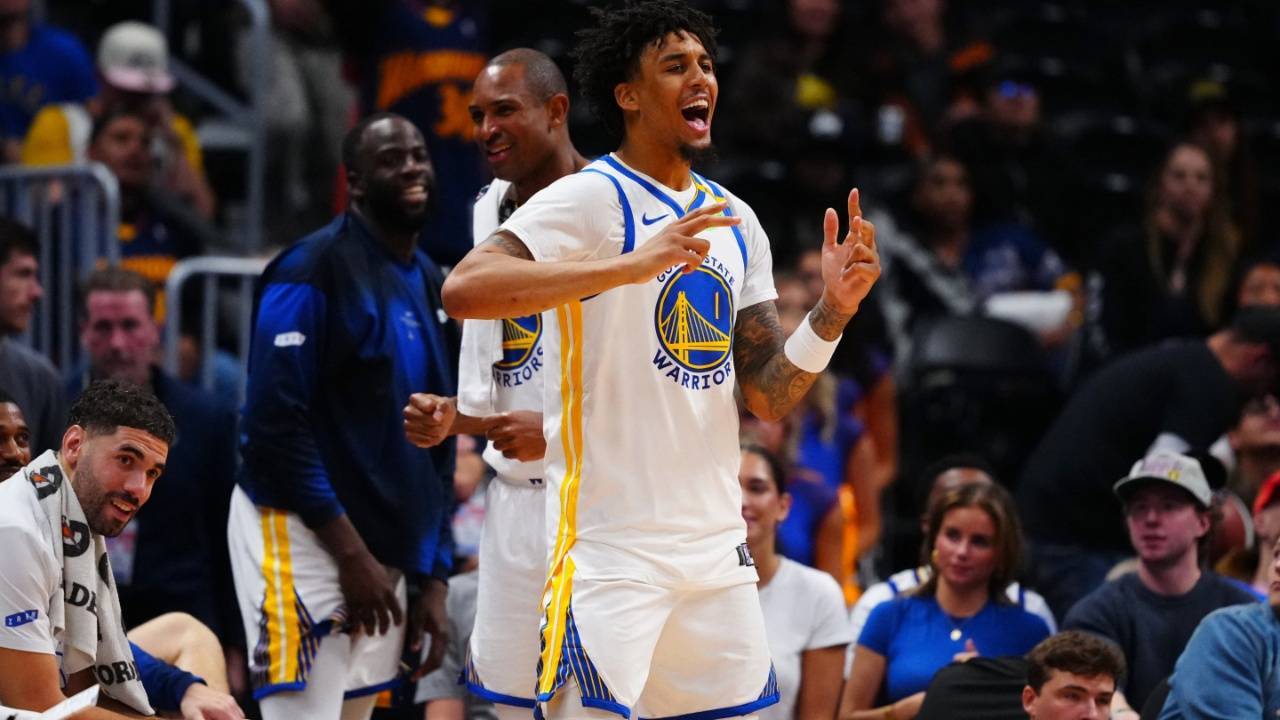
The NBA rookie scoring leaders through October 26, 2026, were Darius Acuff Jr. at 22.3 points, Yaxel Lendeborg at 21.8, and Caleb Wilson at 21.0. Acuff represents the Sacramento Kings, Lendeborg plays for the Golden State Warriors, and Wilson represents the Chicago Bulls. Lendeborg’s higher true shooting percentage makes the comparison more revealing than the narrow gap between their averages.
Acuff accumulated his numbers across three games, while Lendeborg and Wilson had played four apiece. The following comparison covers completed regular-season games through October 26, excluding preseason and Summer League performances. The table ranks the three players by scoring average, with shooting volume and supporting statistics explaining how they reached those numbers.
| Rank | Player | Games | PPG | FGA/G | FG% | 3P% | TS% | RPG | APG | TOV/G |
| 1 | Darius Acuff Jr. | 3 | 22.3 | 24.3 | 32.9 | 14.8 | 41.2 | 2.7 | 4.7 | 2.7 |
| 2 | Yaxel Lendeborg | 4 | 21.8 | 15.0 | 45.0 | 34.6 | 59.1 | 9.3 | 4.8 | 2.8 |
| 3 | Caleb Wilson | 4 | 21.0 | 18.5 | 41.9 | 17.9 | 49.9 | 7.3 | 1.8 | 3.8 |
True shooting percentage measures scoring efficiency across field goals and free throws. The calculation accounts for three-pointers’ additional value and estimates free-throw possessions. Aggregate totals produce the percentages shown above.
The next names on the rookie scoring leaderboard illustrate how sharply the leading group has separated. Meleek Thomas averaged 16.0 points for the Cleveland Cavaliers after one appearance, while Cameron Boozer averaged 14.8 for the Memphis Grizzlies across four. The one-game sample makes Thomas particularly difficult to compare with players already handling repeated assignments.
Acuff Leads In Points And Shot Attempts
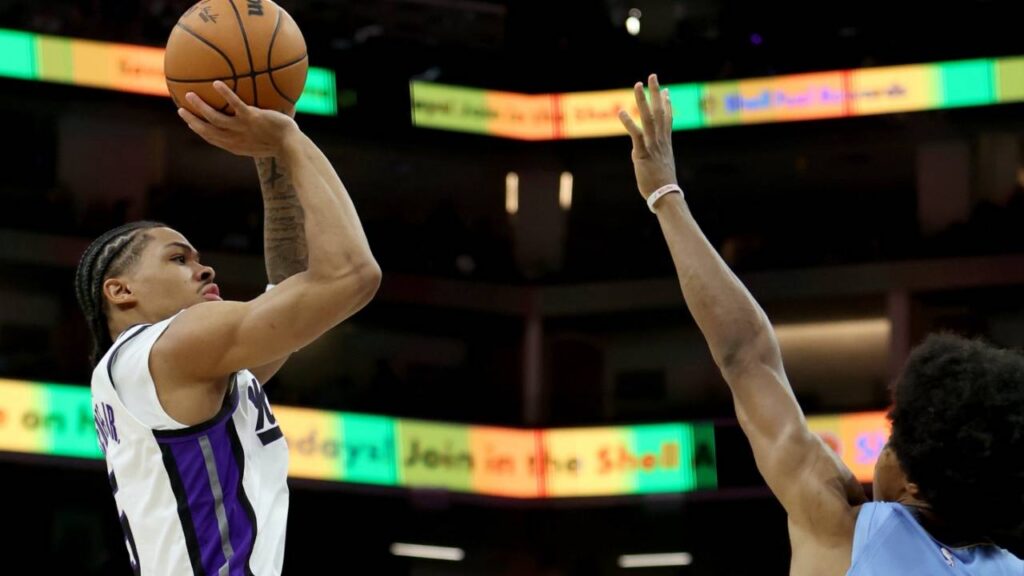
Sacramento has given Acuff an immediate opportunity to generate offense, with the rookie averaging approximately 36 minutes. Acuff scored 67 points while shooting 24-for-73 and making 15 free throws. Acuff’s opening game log shows 9.3 more shot attempts per game than Lendeborg and 5.8 more than Wilson.
Coach Doug Christie emphasized deciding “when to shoot and when to pass” during training camp. Christie described managing time, score, and team leadership as additional responsibilities for the rookie point guard. The assignment therefore involves organizing possessions alongside developing Acuff’s own scoring.
Among the NBA rookie scoring leaders, Acuff’s four makes from 27 three-point attempts represent the weakest perimeter shooting. The rookie shot 43.5% inside the arc, meaning his difficulties extended beyond a cold perimeter stretch. The combined results produced a 41.2% true shooting percentage despite respectable 78.9% free-throw accuracy.
Acuff’s 33-point performance against the Portland Trail Blazers on October 23 demonstrates both the scoring potential and current cost. Ten field goals required 26 attempts, while 11 makes from 12 free throws helped sustain the final total. Free throws supplied one-third of Acuff’s points, helping compensate for his missed field goals.
The Kings also received seven assists from Acuff on October 25, giving the guard another productive contribution during a 9-for-23 shooting night. Sacramento can build around that distribution while evaluating which scoring opportunities warrant such a large workload. A stronger balance between creating shots and creating advantages would make the rookie’s offensive responsibility more productive.
NBA Rookie Scoring Leaders: Lendeborg’s Efficiency Advantage
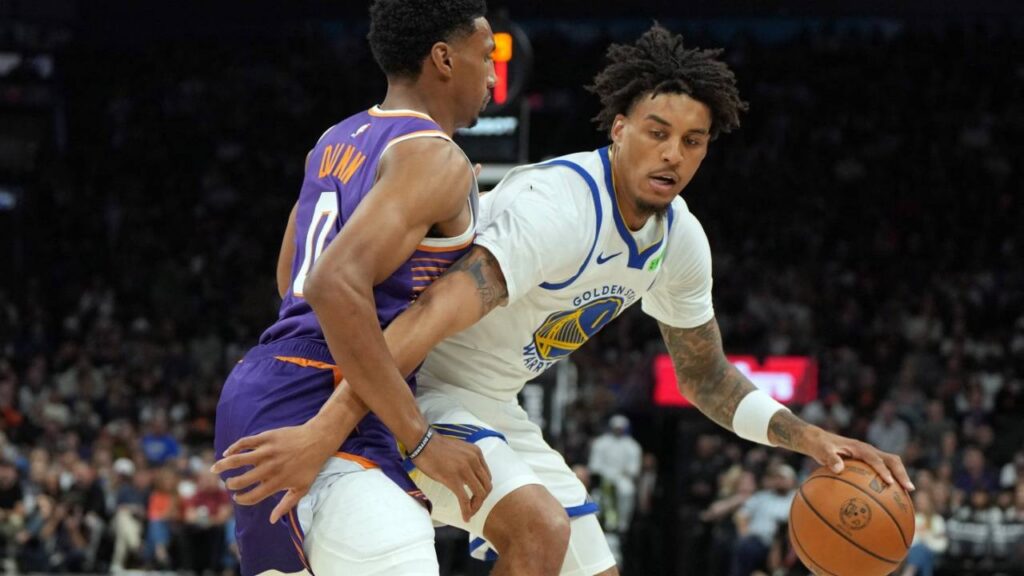
Golden State’s rookie has averaged nearly as many points as Acuff while attempting 9.3 fewer field goals per game. The Warriors have also received the group’s highest rebounding and assist averages from Lendeborg. Lendeborg offers the strongest combination of scoring efficiency, rebounding, and assists among the NBA rookie scoring leaders.
Lendeborg’s four-game totals show 87 points while shooting 27-for-60 and making 24 free throws. Eighteen offensive rebounds add another dimension to his opening production. Offensive rebounds can extend possessions and create additional scoring opportunities.
Lendeborg demonstrated scoring flexibility against the Phoenix Suns and Denver Nuggets across consecutive appearances. The Suns opening recap documented 26 points and six three-pointers on October 24. Lendeborg then scored 31 against Denver despite making only one of eight attempts from distance.
The individual box score shows eight makes from 11 two-point attempts and 12 conversions from 13 free throws. Golden State therefore received efficient scoring without needing another exceptional three-point performance. The Nuggets also surrendered 12 rebounds and six assists to the rookie during the 134–114 defeat.
A Growing Role Still Requires Defensive Improvement
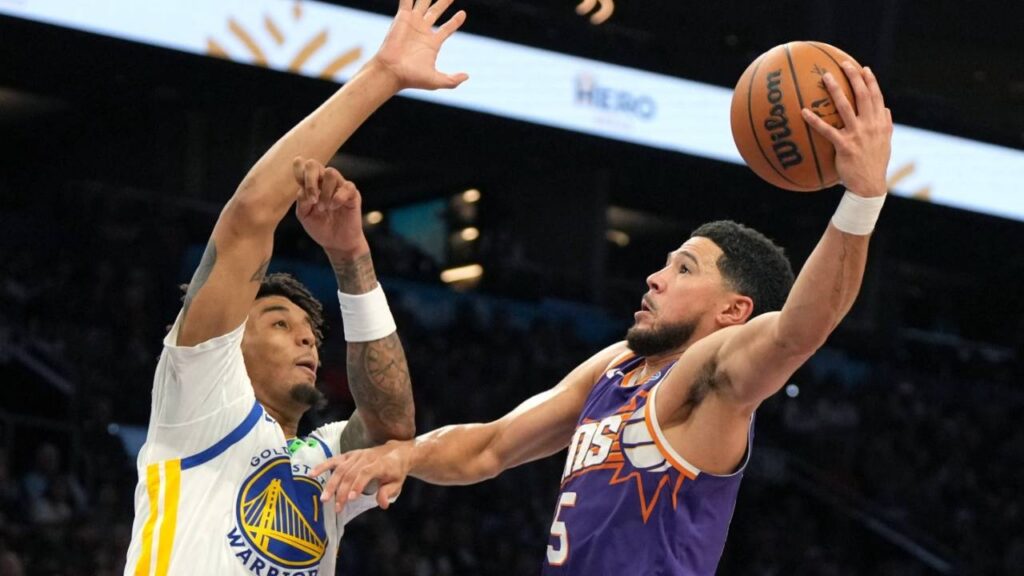
The Warriors are evaluating Lendeborg as an additional offensive organizer, giving his assist production practical significance. Coach Steve Kerr discussed increasing the rookie’s pick-and-roll and playmaking opportunities in reporting by the San Francisco Chronicle. More creation from Lendeborg could diversify possessions otherwise dependent on Stephen Curry and Draymond Green.
The same reporting identified weak-side defensive awareness as a concern, limiting what the offensive numbers establish about Lendeborg’s overall readiness. Efficient scoring does not automatically guarantee reliable late-game defense. Defensive improvement remains necessary before the scoring numbers can establish Lendeborg’s readiness for every late-game assignment.
Wilson’s Two-Point Accuracy Outpaces His Outside Shot
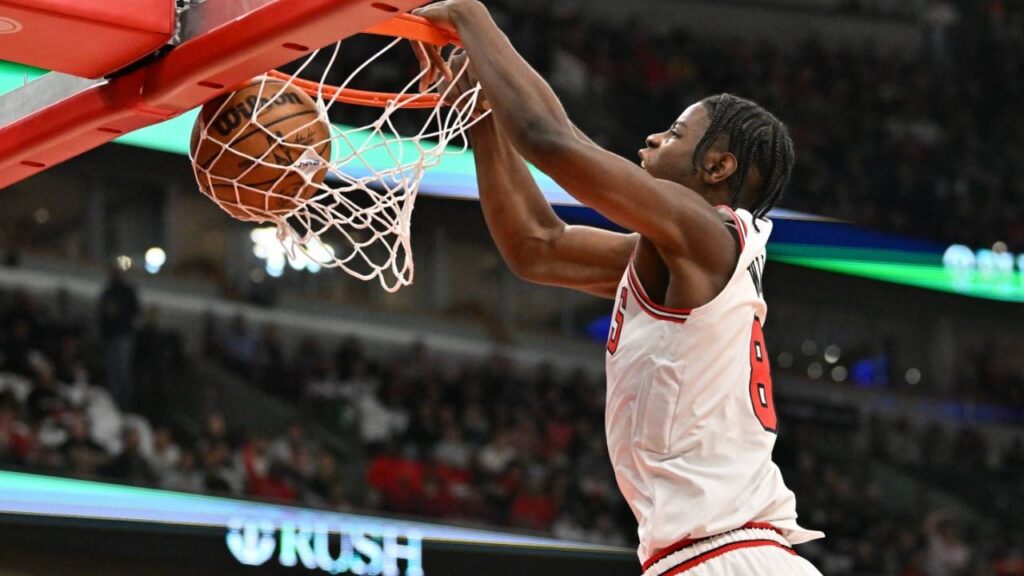
Wilson ranks third among the NBA rookie scoring leaders, giving Chicago encouraging production despite inconsistent perimeter shooting. The Bulls’ rookie converted 26 of 46 two-point attempts, a 56.5% success rate. Wilson made only five of 28 threes, creating a substantial divide between his two-point and three-point results.
Coach Tiago Splitter described a broader offensive role during an October 15 appearance on the Numbers on the Board podcast. Splitter discussed driving, pick-and-roll possessions, dribble handoffs, and transition opportunities in comments reported by Roundtable. The planned variety makes Wilson’s decision-making and shooting development relevant beyond a single scoring assignment.
The opening week recap tracked Wilson’s progression from 16 points to 21, then 30 across his first three appearances. The final performance included 14 rebounds and no turnovers against the Washington Wizards. Nine free throws helped support the scoring total despite a 1-for-9 three-point night.
Wilson then scored 17 against the Boston Celtics, bringing his four-game total to 84 points. The four-game statistics show 15 turnovers, including nine during his debut. Six giveaways across the following three games provide a more encouraging possession-management trend than the overall average initially suggests.
Chicago’s next evaluation should examine whether Wilson can maintain his two-point conversion while improving the value of his perimeter attempts. The Bulls have already received nine offensive rebounds from the forward, giving him another route to contribute around the basket. The contrast between his two-point and three-point results identifies a more specific development priority than simply requesting additional scoring.
End Of My NBA Rookie Scoring Leaders Rant
The NBA rookie scoring leaders should not receive identical evaluations simply because their averages occupy the same range. Acuff leads the scoring column, but Lendeborg combines greater scoring efficiency with higher rebounding and assist averages. Wilson’s two-point accuracy offers a credible foundation, although his perimeter misses lower his overall scoring efficiency.
Early scoring success still warrants scrutiny over missed shots and turnovers. A scoring lead built on substantially more attempts deserves different treatment from similar production accompanied by stronger efficiency and playmaking. The most convincing rookie story belongs to the player who makes an offense function better, with the scoring average supplying only part of the evidence.
