
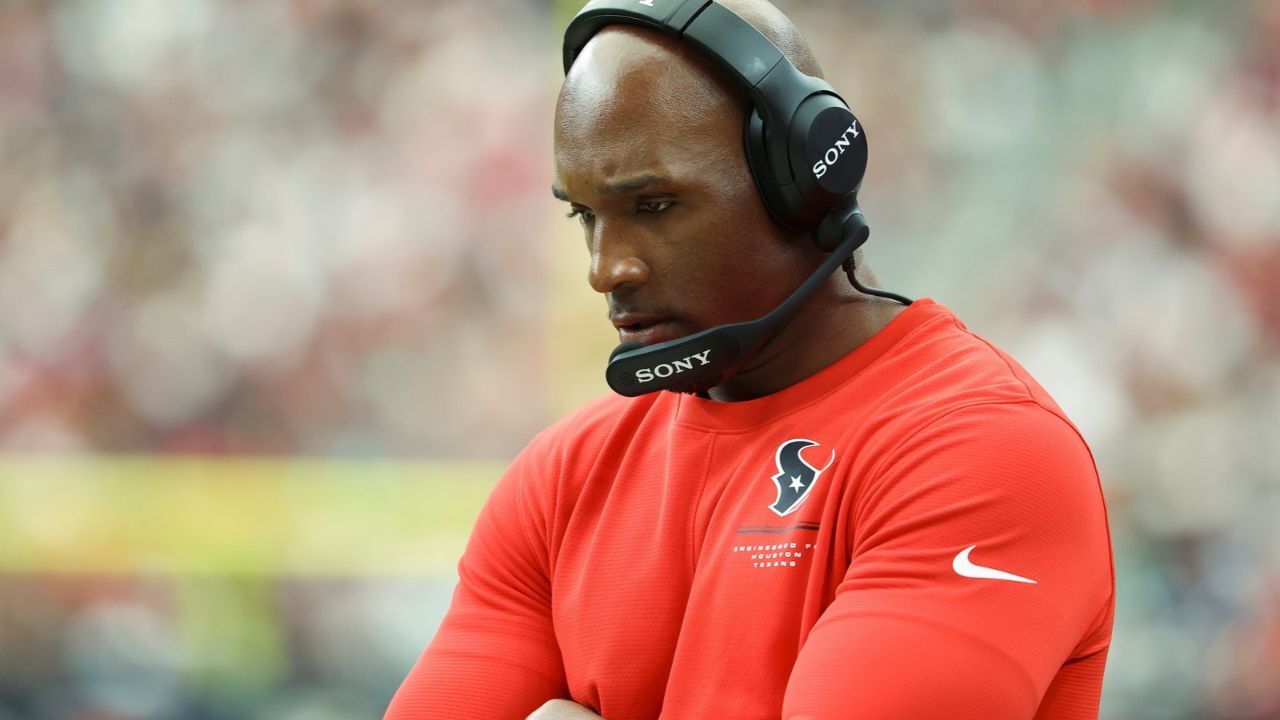
Recently, the long-speculated Marvin Harrison Jr. trade finally went through as the Arizona Cardinals moved him to the Houston Texans. In the deal, Houston exchanged their 2027 second-round pick and a sixth-round pick for the third-year receiver, along with a 2027 seventh-round selection. While the Texans may hope that pairing Harrison with his former college teammate, C.J. Stroud, will unlock his potential, this trade doesn’t answer the organization’s current problems.
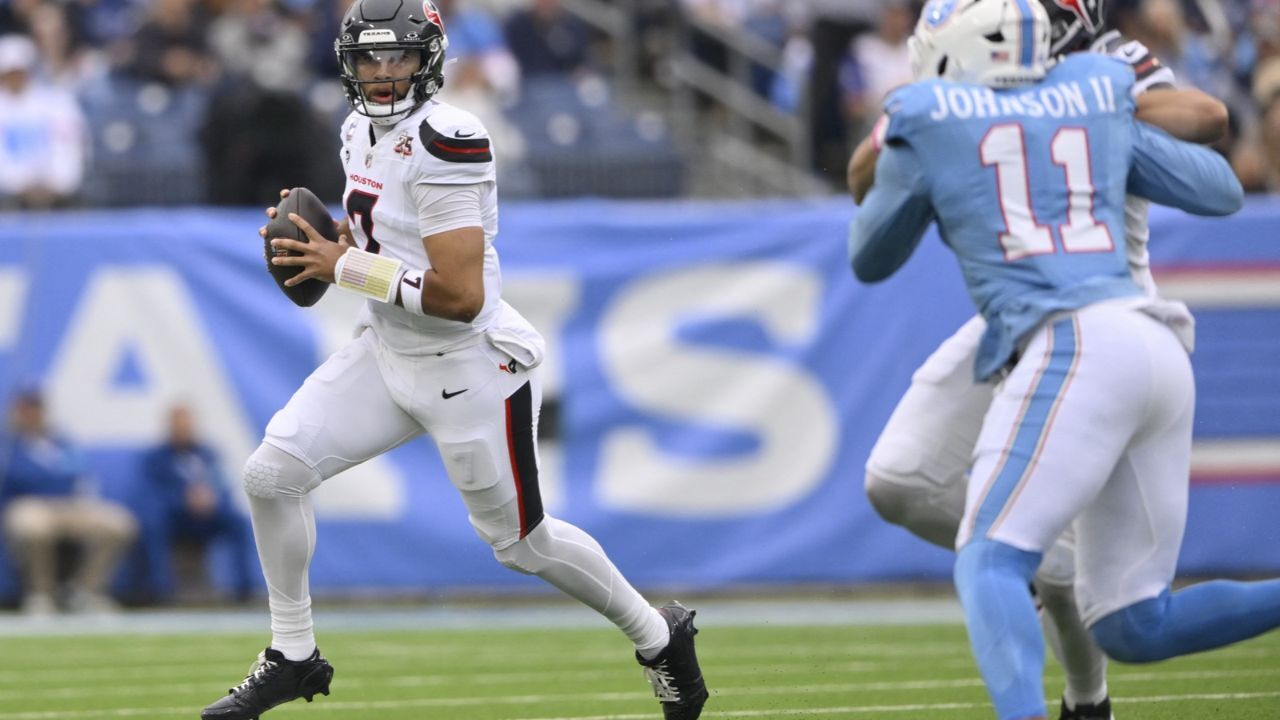
One of the biggest detriments to the Texans currently was predicted before the season even started. They have a limited rushing offense that forces Stroud to throw the ball very often, which becomes predictable to NFL-level defenses. This rushing issue was highlighted in their 28-16 loss to the New England Patriots in last season’s Divisional Round, as Stroud threw 47 times. They looked to address this problem in the offseason, but those efforts haven’t been paying off.
Houston traded for David Montgomery last March to be their lead back. Unfortunately, at this stage of his career, that role may be too large for him. So far this season, Montgomery is rushing for 138 yards on 52 carries with 2 touchdowns on the ground. Through these first five weeks, he is averaging 2.7 yards per carry (YPC), the lowest in his career.
Additionally, the Texans have rushed for 395 yards, the second-lowest in the league. They accumulated these yards on 117 carries for 3.4 YPC, which is the third-lowest this year. With the clear lack of a productive rushing offense, it is puzzling that Houston would use their draft assets on a WR.
The Texans’ passing game was already productive through the early weeks of the season. They rank fifth in the league in passing yards with 1,309, and their 119 pass completions finish in the top seven in the league. Though the addition of Harrison could improve Houston’s passing offense, it simply wasn’t the area the team needed to retool.
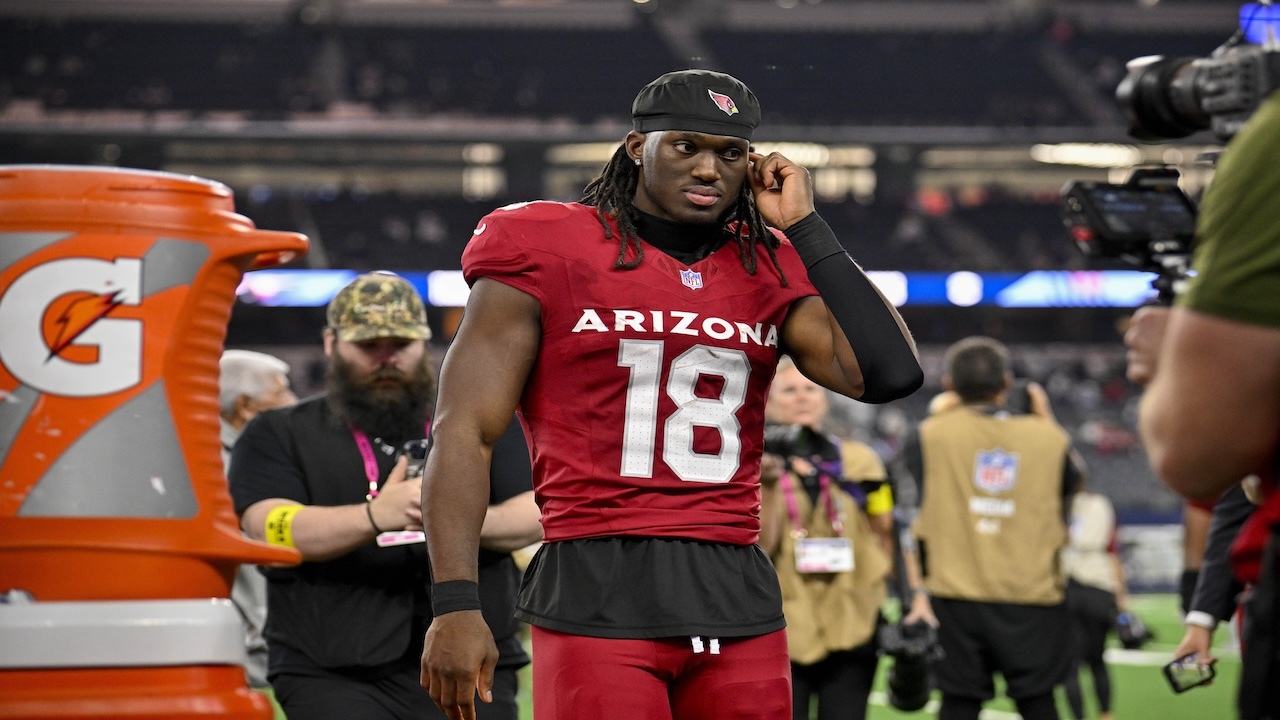
Along with the trade for Harrison not fixing one of the Texans’ biggest issues, it offers the team little return on investment. Houston currently sits with a 1-4 record, so if the draft began today, they would be selecting fourth overall. This makes their second-round pick valuable because it would be near the top of the round. By trading away this pick, the organization needs Harrison to provide the value of a top second-round selection quickly.
In the 2025 NFL Draft, players like Carson Schwesinger and Nick Emmanwori were drafted in the top three selections of the second round. Schwesinger was a secure tackling machine for the Cleveland Browns, as his 156 total tackles finished sixth in the league. Meanwhile, Emmanwori was a swiss army knife for the Seattle Seahawks, as his 81 total tackles and 11 pass deflections helped them win the Super Bowl. The success of these two early second-round picks demonstrates the potential value of selecting players in this area of the draft.
With the recent success of some second-round picks, the trade for Harrison is risky. If he plays well for the Texans, then they can justify the trade, but it would mean that they paid a fair price instead of getting him for a bargain. Especially since Harrison’s recent expected value was only a day-three pick. Nevertheless, if Harrison underperforms, Houston would have significantly overpaid for him by losing out on valuable draft capital.
While trading for a former fourth overall pick still on his rookie contract sounds enticing, the Harrison trade may not have been worth it for the Texans. Adding Harrison to their offense is unlikely to improve it much, as their rushing production still needs significant adjustments. Ultimately, Houston’s return on investment could be limited since the costly price tag could leave little room for value growth. For the move to be worth it, Harrison needs to provide beneficial production now to help the team dig out of a 1-4 hole.
