
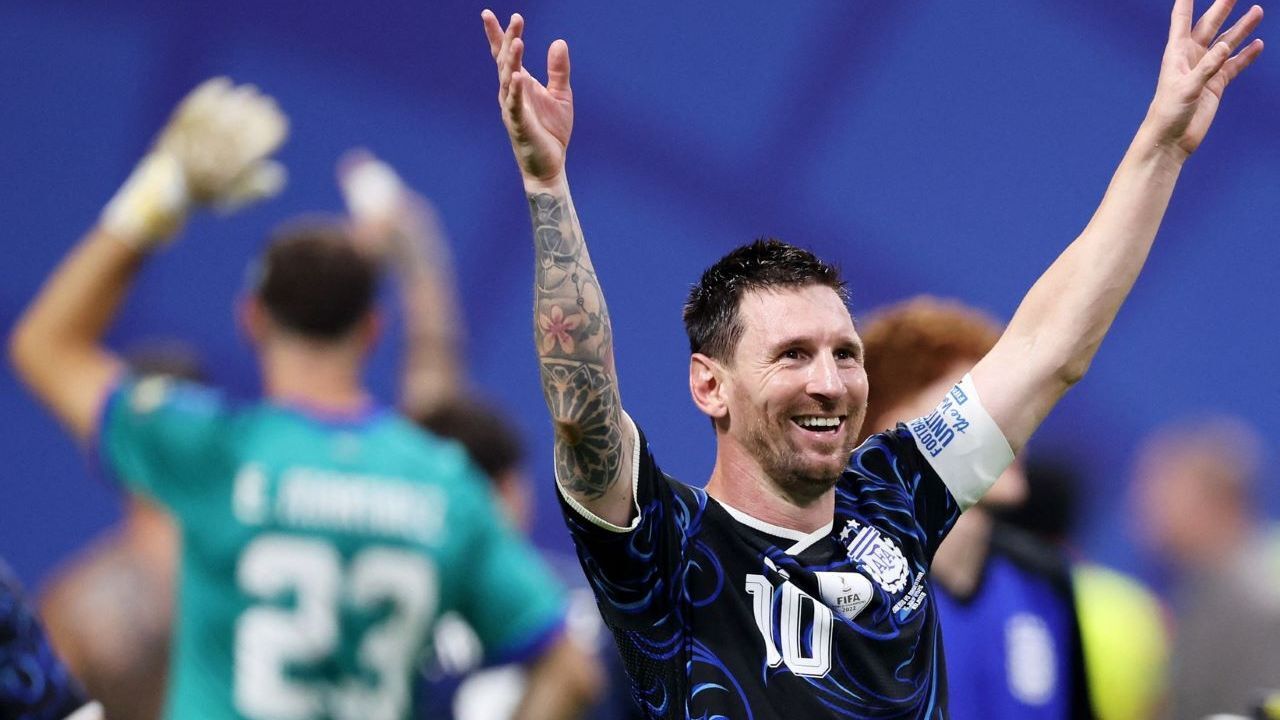
In June 2016, inside MetLife Stadium, Lionel Messi sat devastated after Argentina’s penalty shootout defeat to Chile. He had just ballooned his penalty into the New Jersey night sky, suffered a third consecutive major-final defeat with Argentina, and announced his shock departure from international football with words that sounded like surrender: “The national team is over for me.”
Ten years later, the Lionel Messi retirement that once seemed unimaginable is finally here, but the man walking away bears no resemblance to that broken figure.
On August 31, 2026, following a grueling 1-0 extra-time defeat to Spain in the World Cup final and the devastating passing of his father, Jorge Messi, the 39-year-old icon announced his permanent departure from La Albiceleste. This time, there was no panic, no bitter resignation. Over a transformative 21-year international career, Messi did what once seemed impossible: he took his greatest source of pain and forged it into his definitive masterpiece.
To understand the weight Messi carried, one has to look at the unique tragedy of his Argentine identity. He left Rosario at barely 13 years old for Barcelona with growth hormone deficiency treatments packed in ice. Spain courted him for their youth ranks, offering him a stable, golden generation that would dominate global football.
Messi refused without hesitation. He wanted only La Albiceleste.
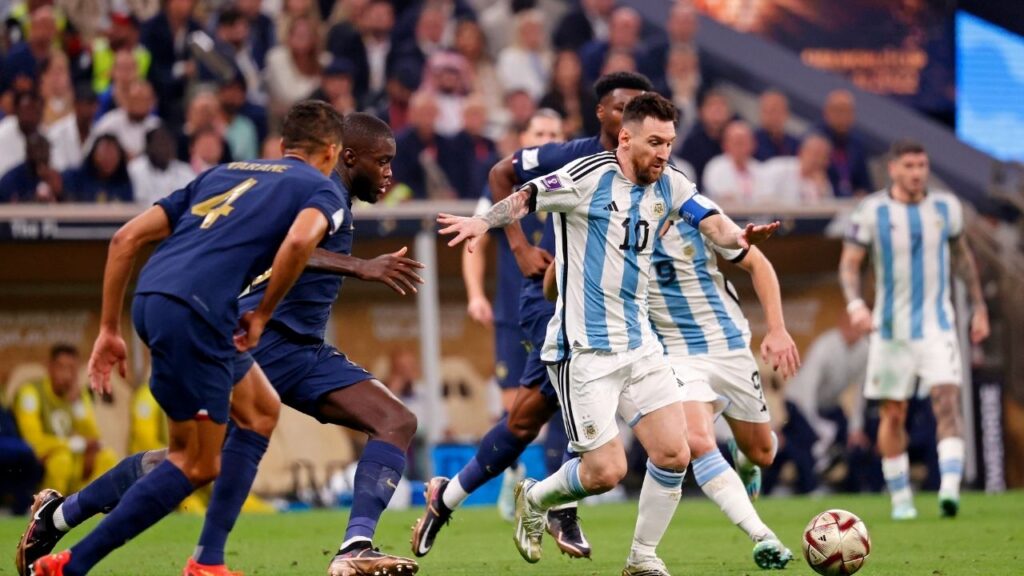
Yet, for over a decade, his devotion was met with suspicion. Pundits in Buenos Aires questioned why the maestro who orchestrated perfection at Camp Nou looked inhibited in the national shirt. He was unfairly cast as a Catalan import, an aloof genius who did not sing the national anthem with enough fury and could never replicate Diego Maradona’s street-fighting charisma.
Messi did not just want to win for Argentina; he needed his homeland to understand how much he loved it.
Before the glory came the unrelenting torment. Messi’s heartbreak with Argentina stretched back to the 2007 Copa América final, when a 20-year-old watched Brazil cruise to a 3-0 victory. Seven years later, the pain returned on an even bigger stage, and what followed was a brutal run of three consecutive major-final defeats:
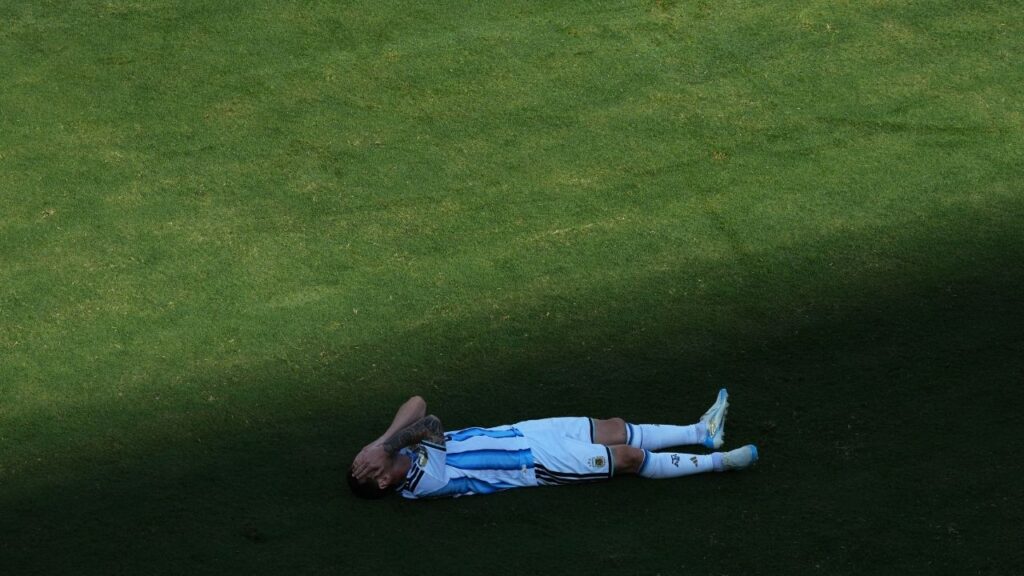
Three consecutive summers. Three major finals. Zero goals scored by Argentina across 360 minutes of final football.
When Messi announced his initial retirement in the tunnels of New Jersey in 2016, it was not an act of petulance. It was the desperate cry of a man who genuinely believed his presence was a curse to the nation he adored.
Messi’s decision to reverse his retirement weeks later in 2016 was the turning point of modern football. Freed from the impossible tactical systems of past managers and surrounded by a young, fiercely devoted squad orchestrated by Lionel Scaloni, the burden transformed into brotherhood.
What followed between 2021 and 2024 remains the most complete redemption arc in sporting history:
Argentina stopped being the crucible where Messi suffered; it became the sanctuary where his legacy was immortalized.
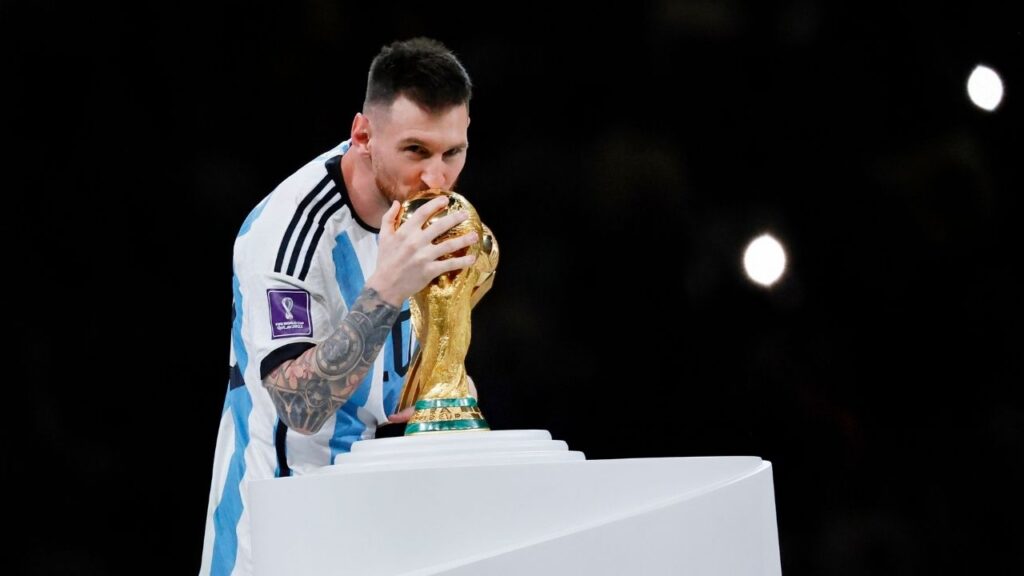
While numbers cannot capture the poetic gravity of his play, the statistical ledger Messi leaves behind is staggering:
| Category | Record/ Total |
| International Caps | 207 (Argentina record) |
| International Goals | 125 (Argentina record) |
| International Assists | 68 |
| World Cup Tournaments Played | 6 (2006, 2010, 2014, 2018, 2022, 2026) |
| World Cup Matches Played | 34 (Men’s all-time World Cup record) |
| World Cup Goals | 21 |
| Copa América Appearances | 39 (All-time tournament record) |
| Senior Major Trophies | 4 (1 World Cup, 2 Copa América, 1 Finalissima) |
The truest measure of Messi’s international impact is found not in media narratives, but in the voices of the generation that shared the pitch with him. They did not play alongside an untouchable superstar; they went to war for their idol.
Ángel Di María, Former Argentina Forward
“It’s so hard to read that you’re retiring; we won’t be seeing you wearing the sky blue and white colours anymore. All I know is that I was born in the right century to be able to witness you play, relish your performances and, on top of that, share all those years with you in the national team. To see you fulfill your dreams, and your greatest dream of all – to become world champion.
“Thank you so much for everything; you’re a legend and the greatest of all time.”
Rodrigo De Paul, Argentina Midfielder
“Your unconditional love for our country, your inner struggles to never give up, your strength in always enduring injustice, your leadership and kindness towards every player who stepped onto the training ground to make them feel at home, the little gestures you showed to every member of our national team’s staff.
“I can only say thank you – you are the greatest of all time. Thank you for making us so, so happy; you have no idea how many smiles you brought to our faces. You are eternal.”
Enzo Fernández, Argentina Midfielder
“Today, I find it hard to imagine the next training camp without you. Stepping onto the pitch and not seeing you up front, wearing the number 10. I’ve spent so many years seeing you there that it seems impossible to imagine it any other way.
“How lucky I was, Leo… thank you for treating me the way you did, for everything you taught me and for letting me be part of your story. We’re going to miss you so much, captain.”
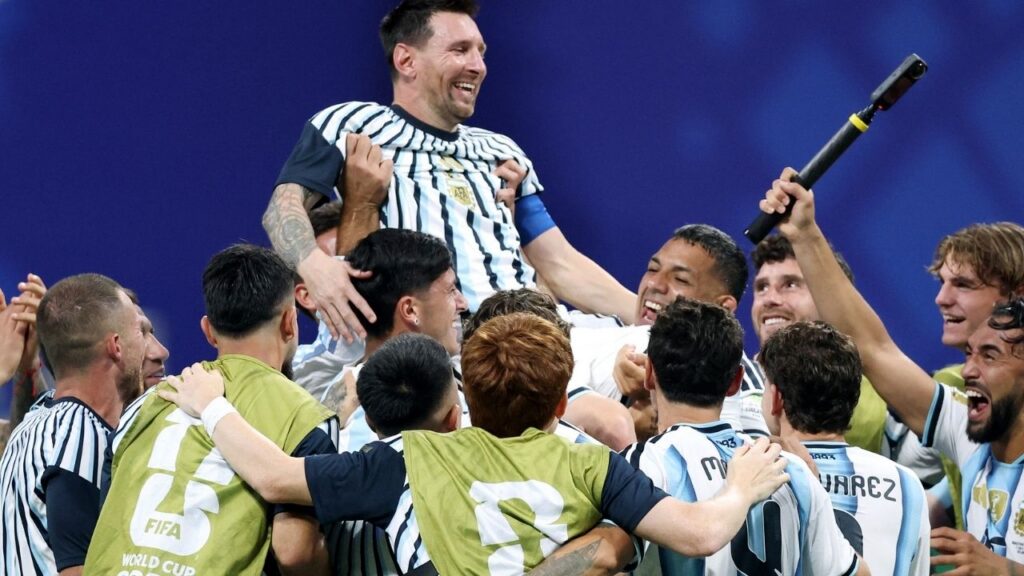
The timing of this final farewell was shaped by profound personal grief. On August 8, 2026, Jorge Messi — the man who coached him as a boy at Grandoli, negotiated his original contract on a napkin, and guided his entire career — passed away.
Messi had already resolved that the 2026 World Cup campaign would mark his final tournament. But the sudden loss of his father stripped away any remaining ambiguity. Football had occupied his waking thoughts for three decades; losing his anchor put the game into sharp perspective. He walked away not because he ran out of magic, but because he knew it was time to dedicate his remaining days to family and allow Argentina’s youth to forge their own destiny.
Inevitably, the discussion surrounding Messi’s retirement will reignite the eternal debate against Cristiano Ronaldo. Pundits will point to Ronaldo’s astonishing longevity and European Championship, while Messi’s disciples will point to the World Cup trophy and complete offensive playmaking.
Yet framing Messi’s international retirement through the lens of his rivalry with Ronaldo misses the point entirely.
Messi’s career no longer requires statistical arbitration or a victor declared in an online argument. He conquered every stage, solved every tactical puzzle, and answered every doubt that followed him across two decades. The debate will outlive both men, but Messi departs the international arena in total tranquility, needing nothing more to validate his genius.
Ten years later, at 39, with four senior trophies, 207 caps, and the love of an entire nation, he walks away with an empty tank and a full heart. He did not get a fairy-tale trophy in his final match against Spain, but he achieved something far more elusive: he gave Argentina everything he had, and Argentina finally gave him back the one thing he had chased his entire life — peace.
