
The Argentina World Cup Final Crisis investigation has thrown an unexpected controversy into World Cup final week. Just two days before Sunday’s showpiece against Spain, football’s governing body confirmed it’s investigating Argentina players over a political banner displayed on the pitch after Wednesday’s semifinal win over England.
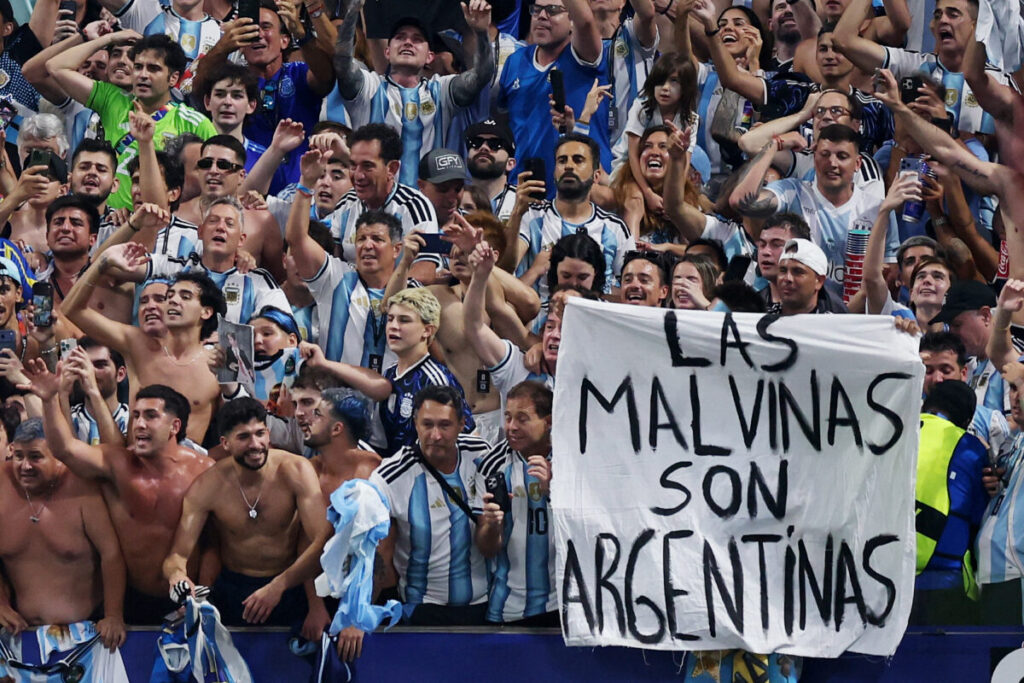
After Argentina’s dramatic 2-1 comeback win in Atlanta, defender Lisandro Martínez and unused substitute Giovani Lo Celso took a banner from fans in the crowd reading “Las Malvinas son Argentinas,” which translates to “The Falklands are Argentine.” The two held it aloft while celebrating, joined nearby by teammates including Cristian Romero and Nicolás Otamendi, before the banner was laid on the turf. The Falkland Islands, a British Overseas Territory located roughly 300 miles off Argentina’s coast, remain a deeply sensitive topic tied to the 1982 Falklands War between the two nations.
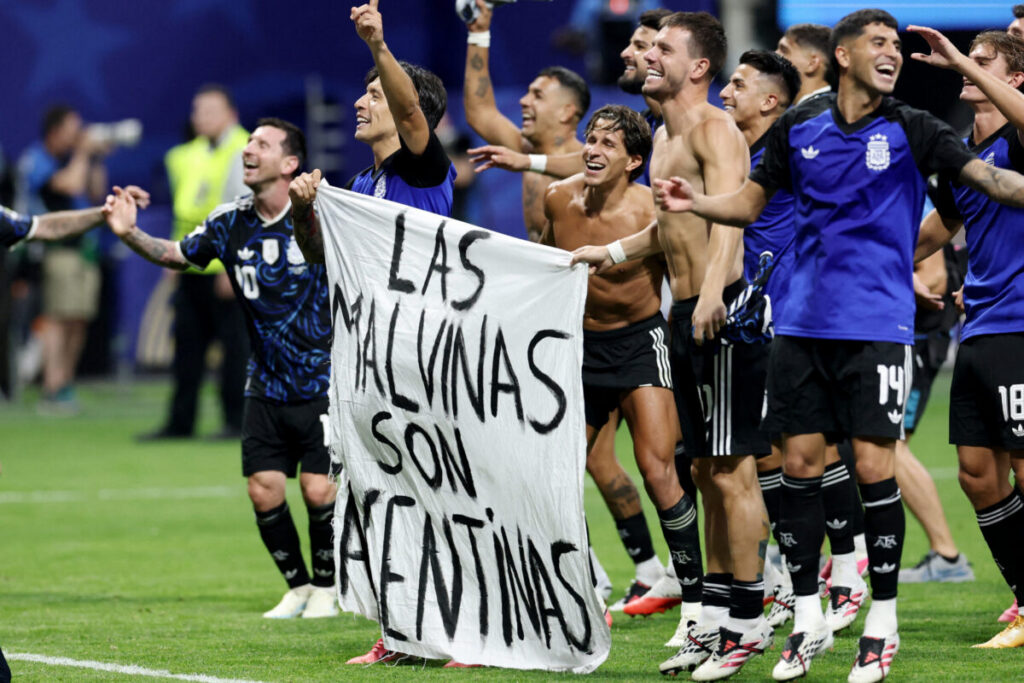
FIFA’s stadium code of conduct explicitly bans political messaging at its events, and the governing body confirmed Thursday that it had opened a formal inquiry into the incident. This isn’t unfamiliar territory for the Argentine Football Association. The same slogan appeared on a banner just five days before this year’s World Cup began, during a friendly win over Slovenia, an incident that already drew scrutiny before the tournament’s opening match.
The banner didn’t just anger football administrators. British Business Minister Peter Kyle publicly called on FIFA to investigate what he described as an egregious rule violation, and a Downing Street spokesperson issued a pointed statement insisting that while the World Cup might not belong to Britain, the Falkland Islands definitely do. The statement reaffirmed that self-determination rests with the islands’ residents and that Britain’s commitment to the territory would never waver, underscoring just how quickly a football celebration turned into a diplomatic flashpoint.
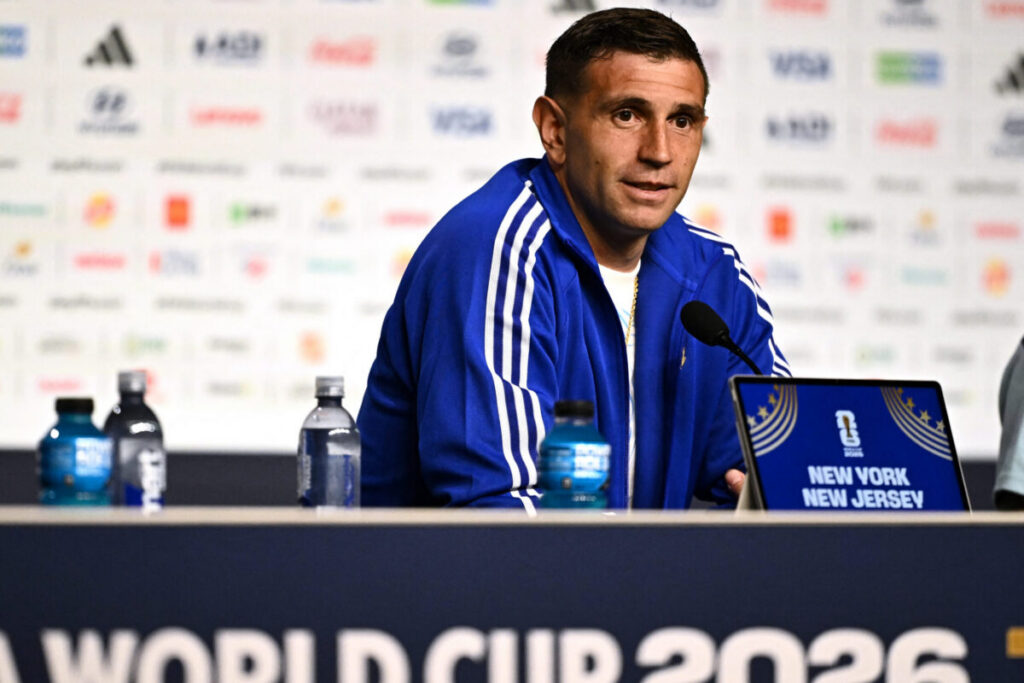
Martínez, who has played his club football in England for Manchester United over the past four years, addressed the banner directly when asked whether it might have stirred painful emotions for Falklands War veterans. He said simply that the players couldn’t let the Argentine people down, a comment that reflected how deeply the issue resonates domestically, even for a player based in the country at the center of the dispute.
FIFA has two realistic paths available if Argentina is found to have breached its rules: a financial fine or player suspensions. Precedent points toward the former. Back in 2014, FIFA fined the Argentine Football Association 30,000 Swiss francs, worth about $37,000 at the time, after players displayed an identical banner ahead of a friendly. Given that history, most reports suggest a similar fine is the most likely outcome this time, rather than any suspension that would sideline players from Sunday’s final. Still, FIFA’s heightened sensitivity around political incidents during this expanded 48-team tournament means a harsher response can’t be entirely ruled out before kickoff.
With the final just days away, FIFA faces a tight window to resolve the investigation, and any suspension would need to be announced before Sunday’s 3 p.m. ET kickoff to actually affect the lineup. Most legal and football analysts following the case expect a post-tournament fine rather than a mid-tournament suspension, given how disruptive pulling a starting defender would be this late in the competition. For the latest on FIFA’s findings as the investigation continues, Al Jazeera’s full report covers the political fallout in detail, while Sports Illustrated’s breakdown of likely punishments has the full history of FIFA’s past rulings on the same slogan.
