
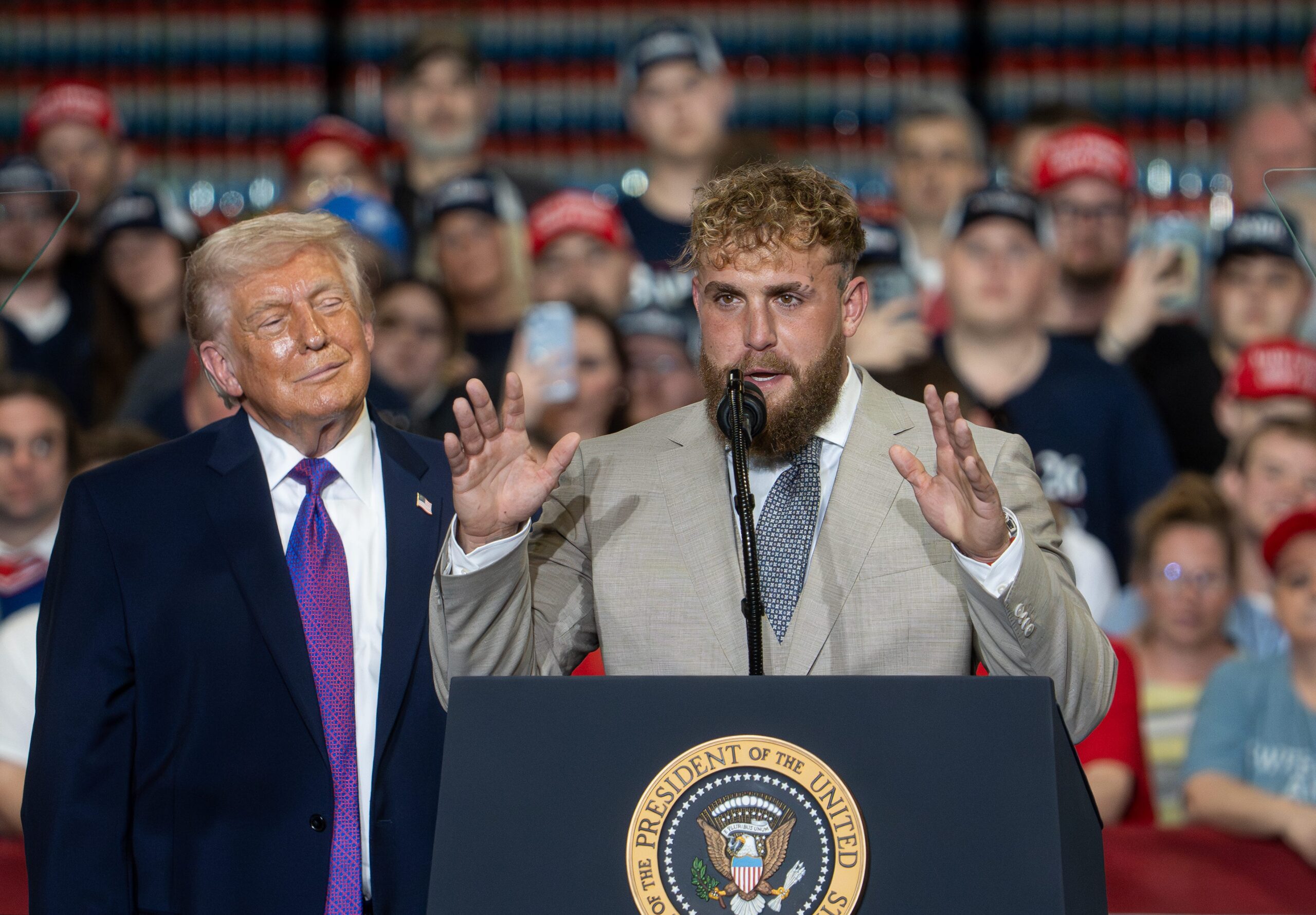
Fighter-Promoter. In Combat Sports, this new trend can seem empowering at first glance. It is indeed a power move and can be seen as fighters taking back control of their careers, while dictating their narratives. The reality is that the fighter-promoter conflict is slowly eroding the credibility of combat sports.
Let’s start with the most glaring issue. There most definitely is a conflict of interest in most cases. They both serve very different purposes at their cores. The fighter’s responsibilities are to train, self-promote, make weight, and perform. In contrast, a promoter’s job is to maximize the company’s profits and sell its fights.
When you get an individual who takes on both roles, the lines are often blurred. As great an accomplishment as it might seem, knowing when to wear the correct hat can become challenging. Often, both jobs require a ton of ego to be successful. Let’s use Jake Paul as the perfect example.Promoters Devaluing Their Fighters
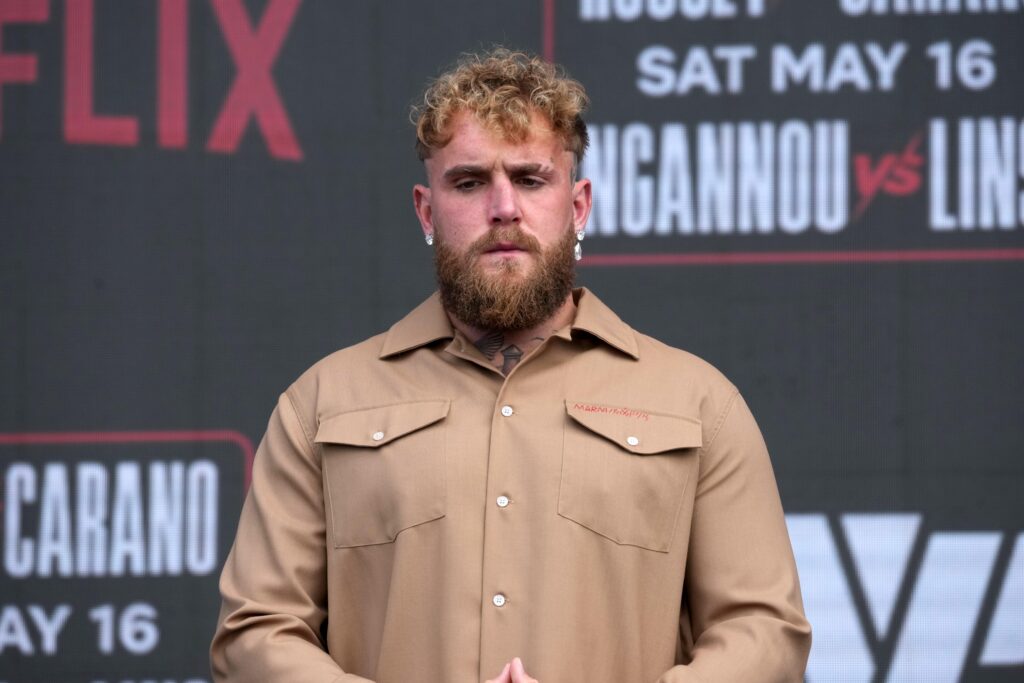
Paul has brought in a ton of eyeballs to combat sports from his Disney fans to the YouTube generation. As a fighter, he’s given some MMA legends like Ben Askren, Tyron Woodley, Nate Diaz, and Anderson Silva opportunities to make the biggest bags of their respective careers. Most recently, though, we heard him diminishing Francis Ngnanuu’s boxing ability, who is set to perform on Paul’s upcoming Netflix card on May 16th. There have been many rumors about a possible boxing collision between the two. How can a promoter devalue one of its fighters?
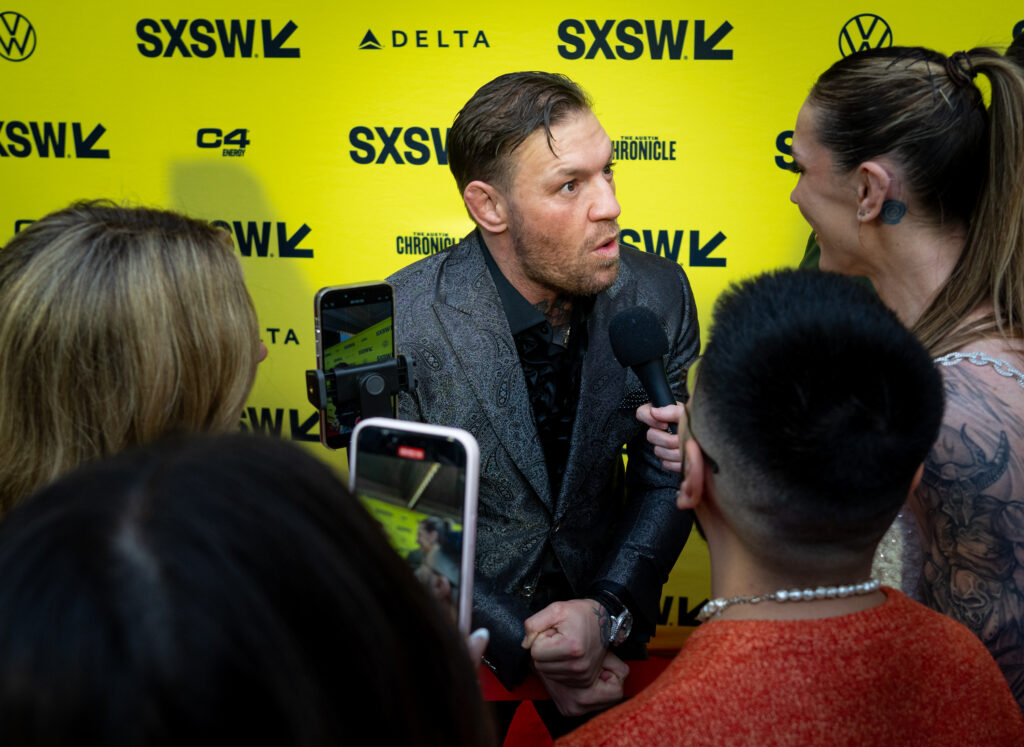
Another easy example is Conor McGregor. Conor has done amazing for himself as the master of self-promotion. He’s become the most financially successful MMA fighter ever. He even topped the Forbes list in 2021 as the highest-paid athlete. McGregor became a part-owner of BKFC in 2024 and brought with him his flair for the dramatic, a sea of fans, and a credibility that the organization had been lacking.
In October of 2025, we saw a bizarre exchange between McGregor and Perry. Again, we saw ego play a factor. Perry had become the promotion’s face and had taken a side-quest in a one-off boxing match. In this return press conference, McGregor began to belittle Perry again and again to the point where he said, “If you don’t perform, you’re gone,” threatening to cut him immediately if he lost.
This is the hidden downside of the fighter-promoter conflict. If you diminish and discredit your fighter’s abilities, then you’re devaluing your own product. Also, from the fighter’s perspective, you devalue your own accomplishments if and when you fight and beat that person.
Another issue that comes to mind is the divided focus among the job’s responsibilities. Each role on its own requires a tremendous amount of time and dedication. Fight promoters need time to organize events, negotiate contracts, obtain permits, market, promote, and a laundry list of other responsibilities. Professional fighters often train six to eight hours a day. There are just too many responsibilities for some things not to slip through the cracks.
I will say that fighter-promoters do bring some positive things to the table. We often see them pushing for better pay and contract structures. I just don’t believe these factors are enough. I believe that having a singular focus in mind is what will keep the legitimacy alive and well. While this fighter-promoter dynamic isn’t killing the combat sports world overnight, it is slowly shifting the foundational focus from sport to entertainment.
