
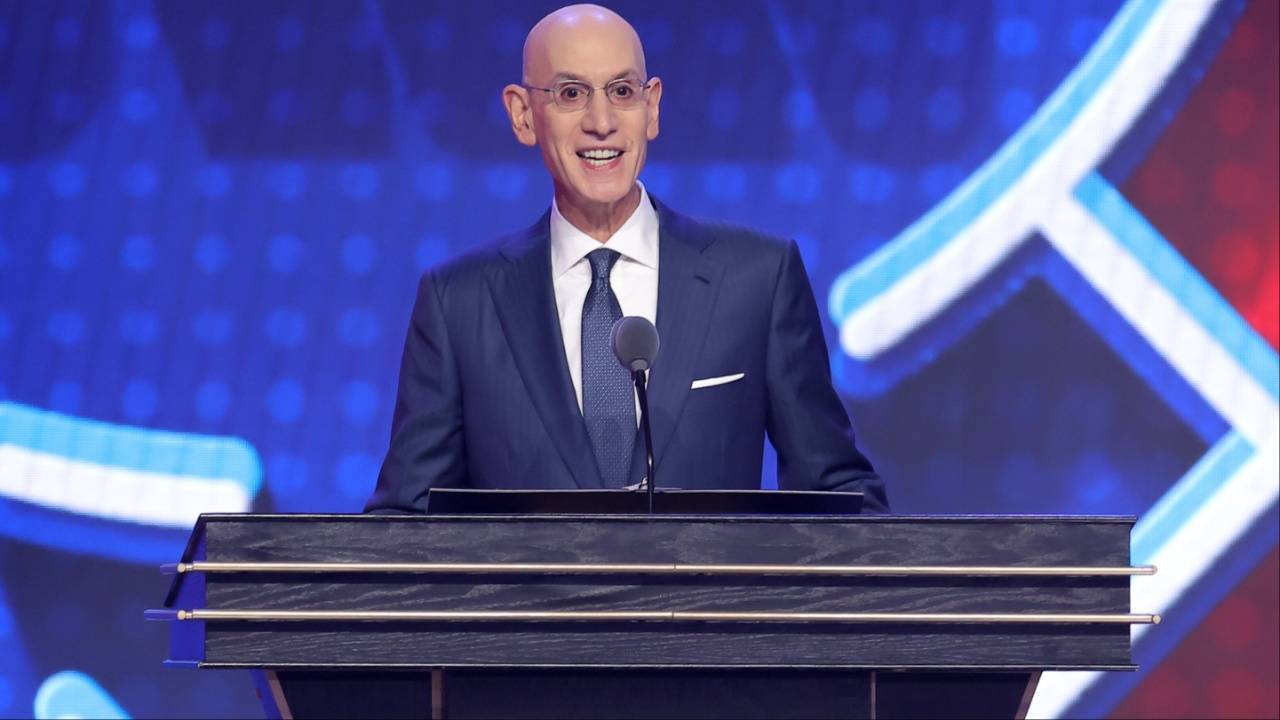
NBA commissioner Adam Silver reportedly remains interested in 40-minute NBA games, but the latest reporting describes a preference, not an approved change. Sports Illustrated reporter Chris Mannix revisited the idea with Rachel Nichols, according to Hoops Wire’s November 3, 2026, report. The reported discussion raised a central concern: reserves could lose opportunities without stars receiving meaningful reductions in playing time.
Silver’s earlier rule ideas included shortening quarters to 10 minutes. During a January 2025 appearance on The Dan Patrick Show, the commissioner said, “I am a fan of four 10-minute quarters.” ESPN’s January 2025 reporting connected those comments to international consistency and television presentation, not an announced implementation plan.
What 40-Minute NBA Games Would Actually Remove
Replacing four 12-minute quarters with four 10-minute periods would remove eight minutes, approximately 16.7% of regulation. Across an 82-game schedule, each team would play 656 fewer regulation minutes, excluding overtime. The reduction is substantial, but team totals cannot explain how individual assignments would change.
Each team currently distributes 240 regulation player-minutes per game across the five players sharing the floor. A 40-minute format would reduce that pool to 200, leaving coaches with 40 fewer player-minutes to allocate. The clock would shrink automatically; a star’s assignment would not necessarily shrink.
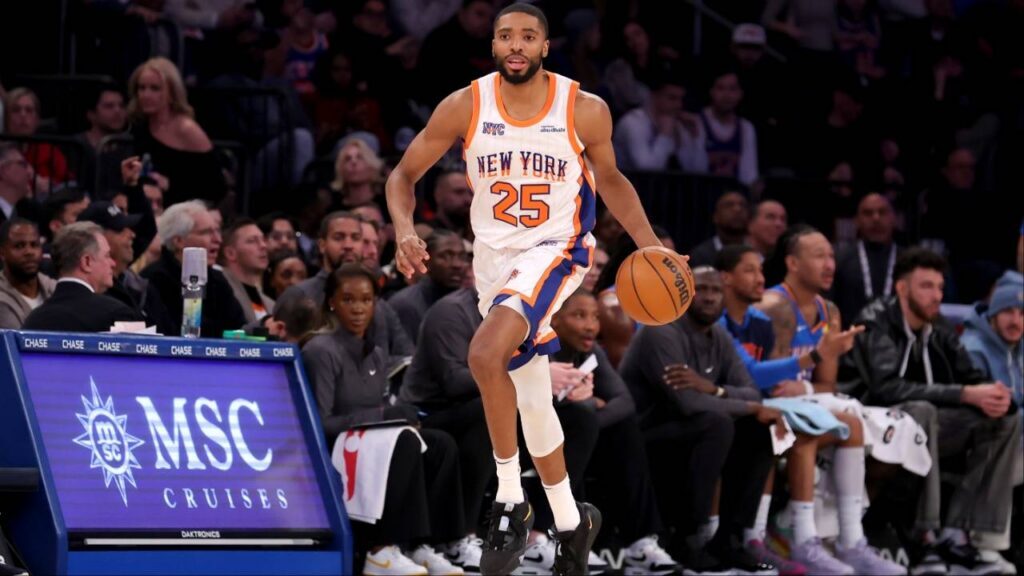
At the time of ESPN’s January 2025 report, New York Knicks forward Mikal Bridges led the league at 38.4 minutes per game. The figure describes his overall average then, not his current assignment or regulation-only usage. That distinction matters when comparing his recorded average with a hypothetical shorter format.
Using 38.4 minutes as a hypothetical regulation assignment, a player would occupy 80% of a 48-minute game and 96% of a 40-minute game. Those percentages illustrate the scenario, not Bridges’ measured regulation-only usage. The shorter format would leave that hypothetical player just 1.6 regulation minutes off the floor.
Coaches could distribute the reduction across their rotations instead. Competitive pressure could also encourage teams to preserve their strongest lineups and shorten the bench. The outcome would depend on those decisions, not simply eight fewer minutes on the scoreboard.
The Earlier NBA Experiment Changed Two Variables
The Brooklyn Nets hosted the Boston Celtics in a 44-minute preseason exhibition on October 19, 2014. Boston won 95–90, and Associated Press coverage reported an elapsed game duration of one hour and 58 minutes. The same report cited approximately two hours and 15 minutes as an average game’s duration at the time.
The experimental game finished 17 minutes below that historical benchmark while removing four minutes from regulation. The comparison involved an average, not a matched control game played under otherwise identical conditions. The report gives game duration, not the length of a complete television programming block.
Mandatory timeouts in the second and fourth quarters also dropped from three to two. Each period lasted 11 minutes, combining a shorter clock with fewer required interruptions. The experimental rules therefore prevent attributing the entire time savings to either adjustment.
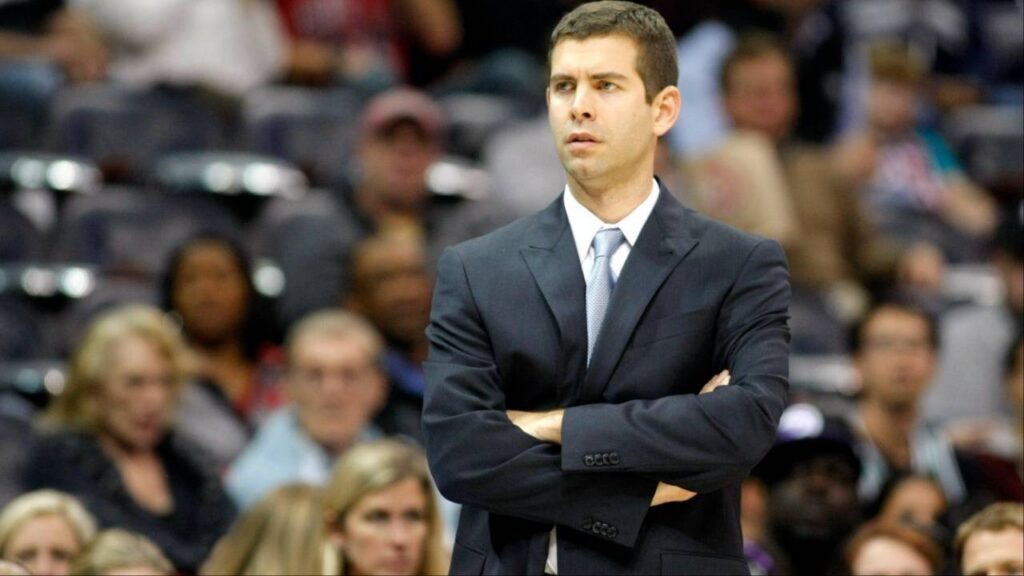
Celtics coach Brad Stevens identified a benefit beyond the shorter quarters. Discussing the reduced timeout schedule, the coach said the flow was “actually a little bit better in the second and fourth.” That observation makes mandatory stoppages a meaningful part of the experiment, not a footnote to the clock change.
Silver’s Television Argument Deserves A Fair Hearing
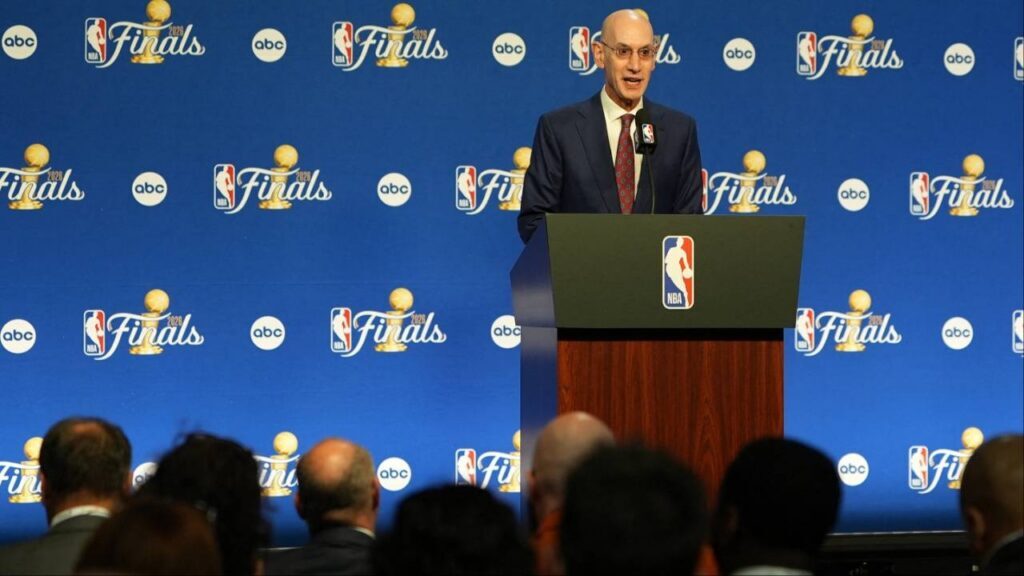
The earlier ESPN report placed average game duration at two hours and 16 minutes during the season underway in January 2025. That historical benchmark helps explain the attraction of a more predictable viewing window. The figure describes that reporting period rather than a verified average for the current season.
Parents, working viewers, and fans facing late finishes have legitimate reasons to appreciate tighter broadcasts. The international comparison also matters: FIBA and EuroLeague basketball demonstrate that four 10-minute quarters can support high-level competition. Defending the NBA’s existing format does not require treating those competitions as inferior.
The question is whether removing actual competition offers the best route to better pacing. The earlier trial tested 44 minutes, not 40, while changing the interruption schedule at the same time. A shorter event resulted, but the experiment did not identify the best individual adjustment.
A modern trial should compare the existing format against a timeout-only change and a quarter-length-only change. The timeout experiment should evaluate current rules rather than simply reproduce the 2014 adjustment. Measuring each approach separately would help distinguish improved flow from reduced playing time.
Player Opposition Deserves A Serious Hearing
A useful measure of player sentiment comes from The Athletic’s anonymous 2025 survey. Among 153 respondents answering the shorter-quarter question, 78.4% opposed the idea, 13.1% supported it, and 8.5% were undecided. Front Office Sports published those findings in its April survey coverage.
The results describe participating players’ views at that time, not a current players’ association vote. The opposition makes player consultation essential, even though the survey cannot determine the proposal’s health effects. Consultation should address both playing opportunities and the viewing experience.
End Of My 40-Minute NBA Games Rant
A controlled test is the sensible next step for 40-minute NBA games. The league should measure game duration, star minutes, reserve opportunities, and player feedback under each experimental format. The priority should be identifying what improves the experience, not defending a preferred answer before testing begins.
Silver’s television goal deserves consideration, but reduced star minutes remain a separate question. Cutting competition should not become the default answer before the NBA examines the interruptions surrounding it. Before taking eight minutes from fans, the league should determine whether fewer mandatory stoppages can deliver a smoother game.
