
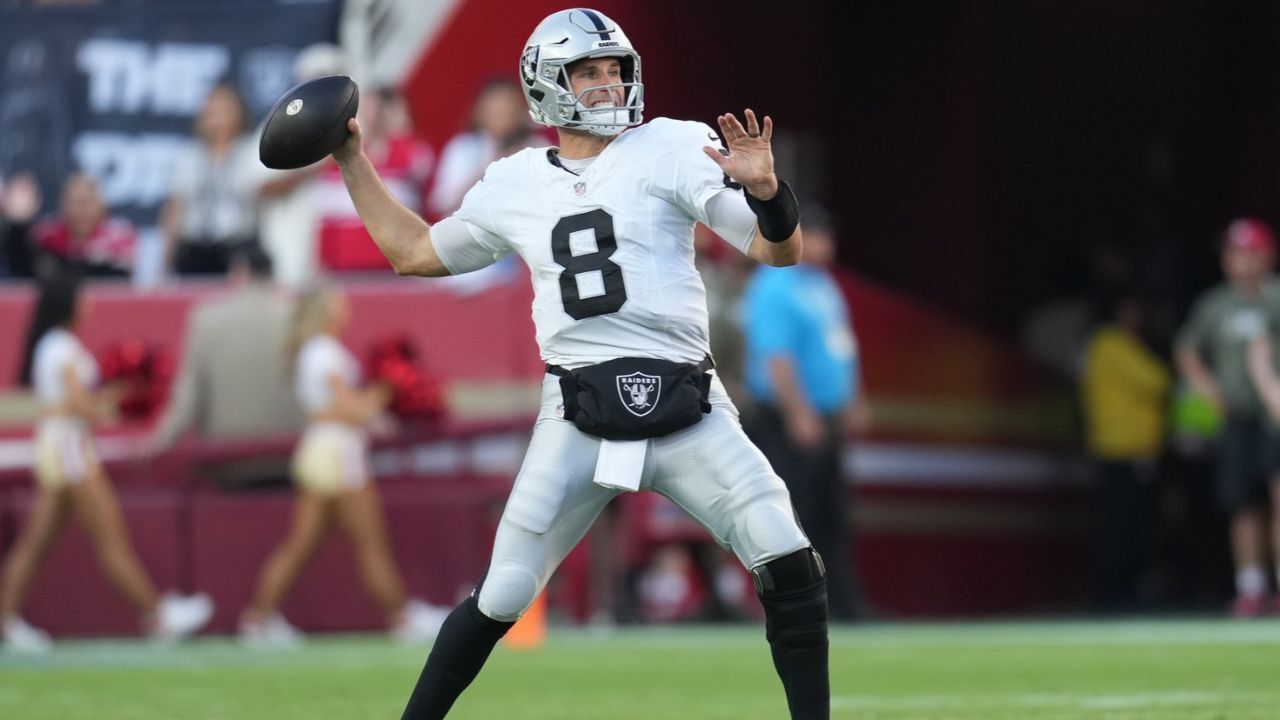
The 2026 NFL trade deadline has officially unleashed a massive wave of front-office drama and strategic roster realignments across the league. Front offices faced immense pressure to finalize high-stakes transactions before the November 10 deadline. This crucial window exposed the differences between legitimate Super Bowl contenders and rebuilding franchises. True evaluation requires analyzing these blockbuster personnel shifts through a lens of long-term sustainability rather than transaction numbers.
Contending rosters sacrificed valuable future draft capital to acquire immediate starting depth for the winter playoff push. Meanwhile, struggling organizations pivoted toward long-term asset accumulation by trading away recognizable franchise anchors. This NFL trade deadline recap examines the structural ramifications of the biggest confirmed moves and how they could reshape the competitive balance of the league.
Navigating this transactional environment requires separating calculated roster improvements from desperate front-office decisions. The sudden influx of fresh talent into new locker rooms has changed the outlook for several conference contenders. Supporters are tracking how these trades will influence upcoming depth charts and playoff races. The ultimate fallout of this deadline proves that professional football never stops evolving off the field.
NFL Trade Deadline: The Biggest Moves Alter The League Landscape
The final hours of the trading window generated absolute chaos as multiple blockbuster agreements officially cleared the league office. The collective scale of the NFL’s biggest trades in the 2026 cycle completely shattered traditional midseason expectations across both conferences. Elite offensive weapons and foundational defensive stalwarts packed their bags to transition directly into high-stakes playoff races. This dramatic sequence of deal-making forced rival coordinators into immediate defensive adjustments.
Executives spent weeks evaluating complex salary cap data and future draft pick valuations before executing these definitive transactions. The frantic nature of these late-night negotiations highlights how much pressure management groups endure to show immediate progress. Fans are thoroughly enjoying the strategic fallout as freshly traded stars prepare to make their team debuts. These monumental shifts prove that the path to capturing a Lombardi trophy requires constant roster evolution.
Kirk Cousins Returns To Minnesota In Blockbuster Deal
The most statistically stunning transaction of the entire deadline cycle materialized through a highly dramatic quarterback homecoming in the NFC North. Management shocked the football community by finalizing a high-profile Kirk Cousins Vikings trade to rescue its unstable passing offense. The experienced signal-caller moved from the Las Vegas Raiders to return to a familiar Minnesota environment. This monumental transaction instantly shifts the competitive trajectory of the entire Minnesota organization going forward.
The aggressive front office committed a 2027 third-round draft pick to secure his proven pocket accuracy and veteran leadership. Cousins entered the trade with 20 touchdown passes and 8 interceptions for Las Vegas. His contract situation also deserves attention. Cousins signed a one-year, $11.3 million guaranteed agreement with the Raiders, including a $10 million roster bonus due in 2027. Las Vegas is covering $650,000 of his 2026 base salary, while Minnesota assumes the remaining salary obligation and the 2027 roster bonus.
The deal gives Minnesota an experienced quarterback without committing to a conventional long-term contract. This tactical decision proves that the leadership group believes its current roster is entirely ready for a deep postseason run. Having a proven field general under center elevates the efficiency of the entire perimeter receiving corps. Minnesota has officially doubled down on its immediate championship window by bringing back a highly familiar face.
Indianapolis Colts’ Roster Shake-Up Signals Complete Structural Rebuild
The operational philosophy in Indiana shifted columns entirely as the front office executed a complete fire sale of its premier talent. Executives stunned local supporters by finalizing a massive Josh Downs Chiefs trade to export their leading young slot weapon. Downs recorded 33 receptions for 354 yards and one touchdown before the move, averaging 10.7 yards per catch. Furthermore, the management group continued its aggressive asset liquidation by sending veteran wideout Keenan Allen to a fierce NFC West contender. Allen recorded 40 receptions for 351 yards and one touchdown in eight games with Indianapolis before joining San Francisco.
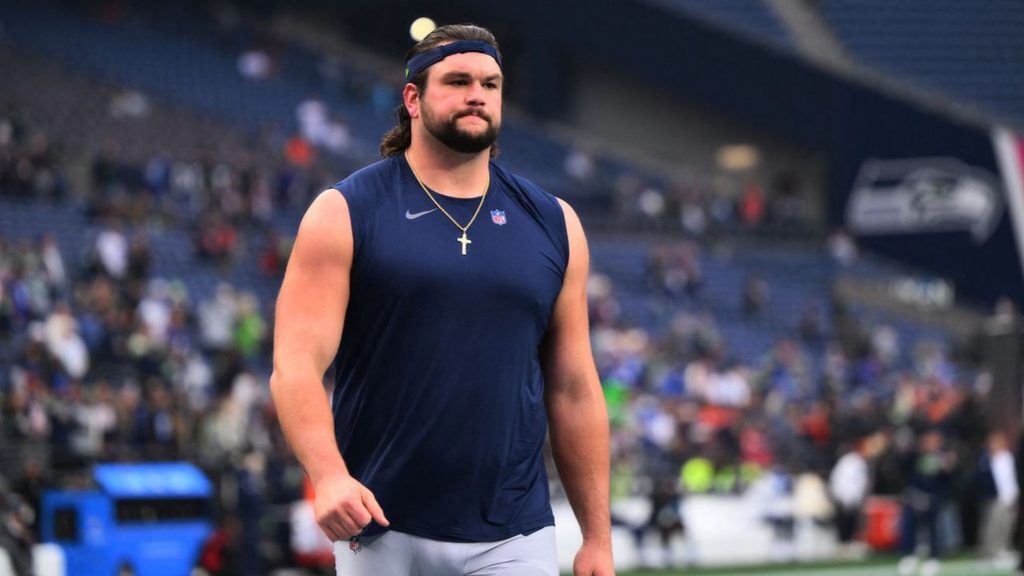
The Colts also traded veteran offensive lineman Quenton Nelson to Seattle for a 2027 third-round pick and a 2028 fifth-round pick. Nelson was in the final season of his four-year, $80 million contract extension, with a reported 2026 salary-cap charge of approximately $9.78 million. He is scheduled to become an unrestricted free agent in 2027. Defensive lineman DeForest Buckner was sent to San Francisco in exchange for a 2027 fourth-round pick. Buckner was also in the final season of his two-year, $46 million contract and is scheduled to become a free agent in 2027.
This total roster deconstruction indicates that the franchise has completely abandoned its immediate competitive aspirations.
In return for these high-profile departures, the front office accumulated a massive war chest of future draft picks. Kansas City received Downs and a 2027 seventh-round pick, while Indianapolis received 2027 fourth- and fifth-round picks. San Francisco acquired Allen for a 2027 sixth-round pick. These transactions, alongside the earlier Nelson and Buckner departures, signal the official launch of a thorough organizational rebuilding project. While losing these fan-favorite stars is incredibly painful for the local base, it cleanses the financial ledger. The coaching staff must now prioritize the developmental tracking of its youngest reserve assets through December.
Jacksonville Makes Its Move To Solidify Elite Defensive Identity
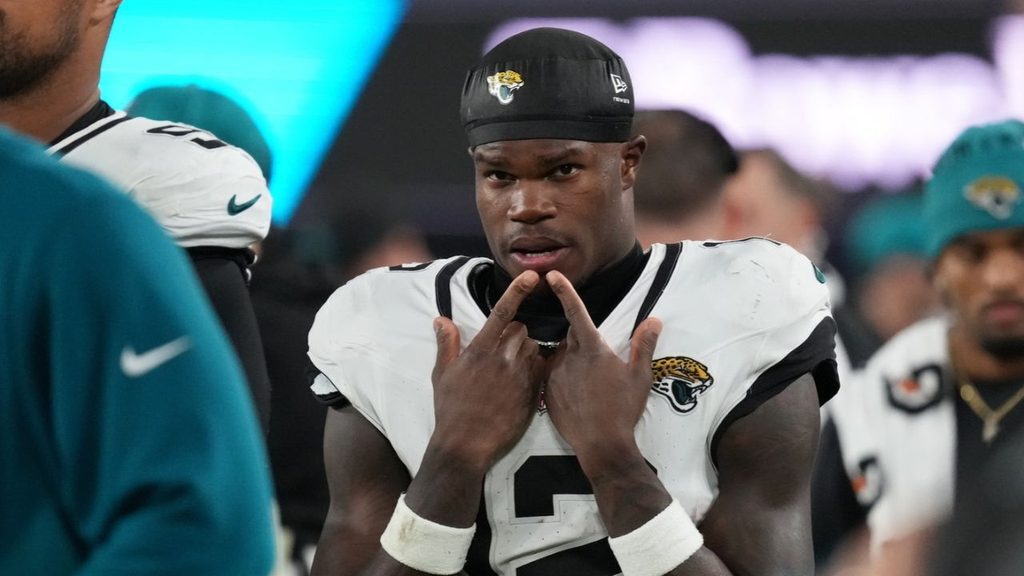
The most aggressive defensive upgrade of the afternoon belonged to a surging franchise in the American Football Conference. Jacksonville completely solidified its interior defense by finalizing a high-profile swap to secure a massive nose tackle asset. The front office officially completed a Jordan Davis trade by sending a 2027 first-round pick and a 2029 second-round pick to the Philadelphia Eagles. This blockbuster acquisition addresses a massive roster need before the winter schedule intensifies.
Davis signed a three-year, $78 million contract extension with Philadelphia in March 2026, keeping him under contract through the 2029 season. His reported 2027 salary-cap charge with Jacksonville is approximately $4.7 million, although future cap charges increase substantially in later seasons. That gives the Jaguars a major defensive addition without an immediate massive cap hit.
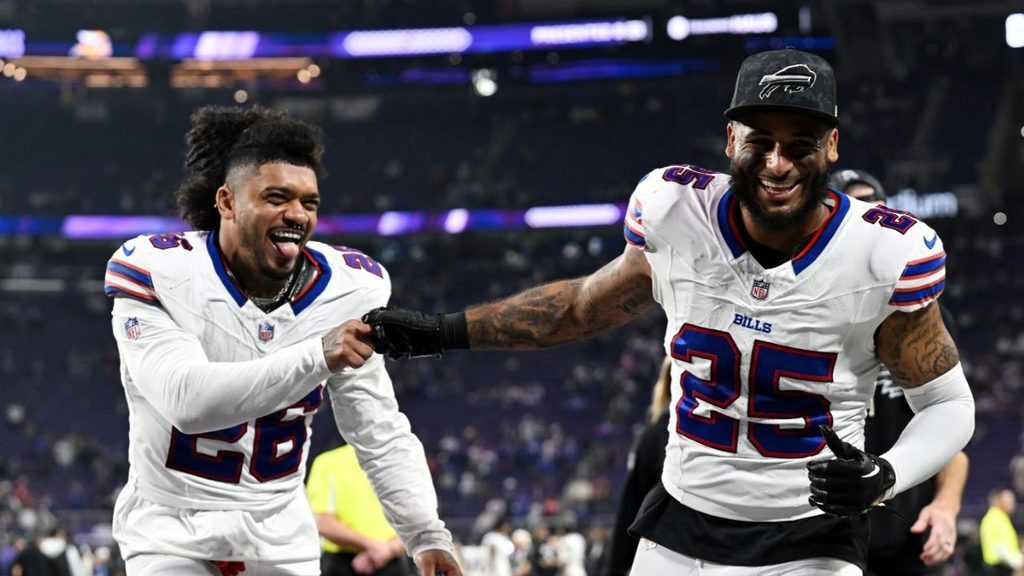
The front office extended its aggressive spending spree by simultaneously locking in star safety Jessie Bates III to patrol the secondary. Jacksonville sent Atlanta a 2027 second-round pick and a 2028 fifth-round pick for Bates. Through nine games with Atlanta, Bates recorded 60 total tackles, one interception, four passes defended, and three forced fumbles.
Bates entered the trade in the final season of his contract, with unrestricted free agency approaching in 2027. His 2026 cap charge was reported at approximately $607,500 following a restructuring before the trade, with Atlanta covering most of his remaining salary. This makes the acquisition particularly attractive from Jacksonville’s immediate salary-cap perspective, although the Jaguars will need to address his long-term contract situation.
Management concluded its defensive overhaul by acquiring veteran defensive lineman Davon Godchaux from the New Orleans Saints in exchange for a conditional 2028 sixth-round selection.
These consecutive premium acquisitions prove that the organization is entirely committed to suffocating the high-powered passing attacks of the AFC. The newly constructed defensive front looks incredibly formidable on paper. Jacksonville has made a substantial investment in its defense, surrendering premium draft capital for three established defensive players.
The playoff implications are significant. Jacksonville entered the deadline with a 6-2 record and a strong postseason outlook. One simulation model published before the trades gave the Jaguars approximately a 99% chance of reaching the playoffs. A separate model published after the deadline estimated their playoff probability at 98.4%. These figures come from different models and should not be treated as a direct before-and-after comparison.
The betting market offered another measurable indicator of growing confidence. Jacksonville’s Super Bowl odds reportedly moved from +950 to +750 following the acquisitions. The Jaguars are clearly being treated as a more serious championship contender, although the premium draft capital surrendered means the pressure to deliver immediate results is enormous.
Kansas City And San Francisco Strengthen Their Offenses With Elite Weapons
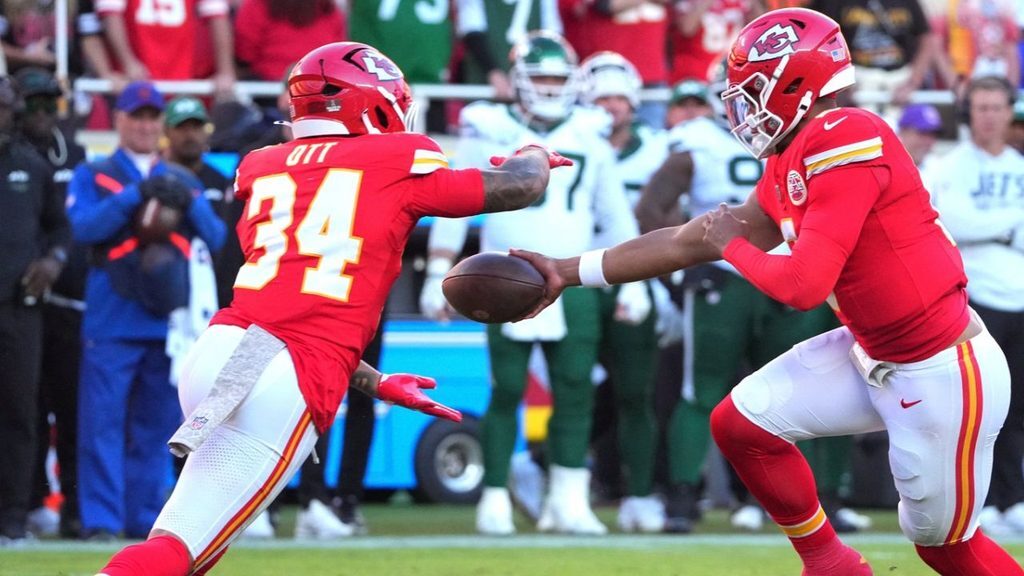
Contending organizations inside the upper tier of the league hierarchy successfully leveraged their corporate resources to acquire premium skill-position depth. The reigning champions integrated Downs into their complex passing scheme to provide an elite, hyper-efficient weapon across the middle. His 33 receptions and 354 receiving yards through nine games demonstrate the production Kansas City is adding to its passing attack. His unique capability to generate immediate separation will alleviate the immense defensive pressure mounting on their superstar quarterback. This addition ensures that the offense maintains its signature explosive capability down the stretch.
Simultaneously, the San Francisco 49ers finalized a monumental deal to land Allen for their late-season championship push. The smooth-routing veteran provides an irreplaceable layer of physical target depth for a passing game adjusting to recent medical absences. Allen brought 40 receptions, 351 receiving yards, and one touchdown from his Indianapolis campaign. His career production entering the move stood at 1,095 receptions, 12,402 receiving yards, and 71 touchdowns across 179 games.
At 34 years old, Allen’s value comes from experience, route-running, and dependable veteran production rather than long-term potential. This high-profile acquisition demonstrates the immense organizational urgency driving a franchise that refuses to let its championship window close. Adding his elite football intelligence into the mix gives the coaching staff a perfect third-down safety valve.
Which NFL Teams Won And Lost The Trade Deadline?
Evaluating the final results of this frantic period requires looking past public relations announcements to analyze actual roster composition. When assigning definitive NFL team trade grades, analysts must weigh immediate record realities against the preservation of future draft capital. Several aggressive general managers successfully navigated complex salary cap structures to position their organizations for deep January runs. Conversely, underhanded front offices panicked by overpaying for temporary veteran rentals who fail to move the needle.
The clear winners of this cycle are the franchises that successfully paired immense capital expenditure with verified roster needs. Jacksonville and Kansas City executed pristine, highly targeted plans that directly address their structural on-field vulnerabilities. Jacksonville, however, surrendered a 2027 first-round pick, a 2027 second-round pick, a 2028 fifth-round pick, and a 2029 second-round pick for Davis and Bates alone. That enormous investment creates legitimate pressure for immediate defensive results.
The clear losers are the organizations that completely fractured their locker room chemistry by trading away foundational team captains. Indianapolis is a major rebuilding candidate after trading Downs, Allen, Nelson, and Buckner. The Colts received a collection of future draft picks, but losing established starters creates immediate holes across the roster. These desperate front-office choices frequently create the mere illusion of progress while actively sabotaging long-term developmental tracking.
The Browns’ Quarterback Situation Adds Another Twist To Seasonal Drama
The ongoing personnel fluidities across the league footprint extended into Ohio through a highly complicated quarterback situation. Management continues to navigate intense public scrutiny regarding the substantial financial investment tied to Deshaun Watson. The front office chose to bypass the traditional market entirely to focus on its internal developmental pipeline. Coaches evaluated young signal-caller Shedeur Sanders alongside Watson during offseason workouts and training camp as the organization assessed its long-term capability under center.
The Browns ultimately named Deshaun Watson their starting quarterback for the 2026 season on August 24, following the offseason competition. This internal shift creates a fascinating sub-plot as the franchise evaluates its organizational trajectory heading into the offseason. The decision to invest valuable live game reps into youth provides a stark contrast to teams chasing expensive quick fixes. This quarterback evaluation will heavily dictate how the front office utilizes its remaining draft capital next spring. The gridiron landscape continues to prove that stability under center remains the most valuable commodity in sports.
End Of My 2026 NFL Trade Deadline Rant
The wild contrast between calculated executive masterclasses and frantic front-office panics completely defines the modern professional landscape. We constantly witness intense organizational drama alter individual team trajectories, much like the recent Philadelphia Eagles Collapse Continues As Jalen Hurts Faces Growing Questions analysis proved to football purists. The beautiful game always rewards organizations that pair immense structural investment with absolute operational discipline across all levels. The final hours of the trading window showed that some front offices are built for the bright lights, while others are merely chasing temporary public validation.
Did NFL organizations actually improve their chances of competing for a championship, or did some teams simply trade away valuable assets to create the appearance of progress? True competitive excellence will never be achieved by overpaying for fading veteran names during a midseason marketplace scramble. The upcoming winter months will thoroughly test whether these high-stakes transactions actually translated into validated scoreboard production. Football fans everywhere are incredibly fortunate to track these legendary franchises as they rewrite their own sporting destinies.
