
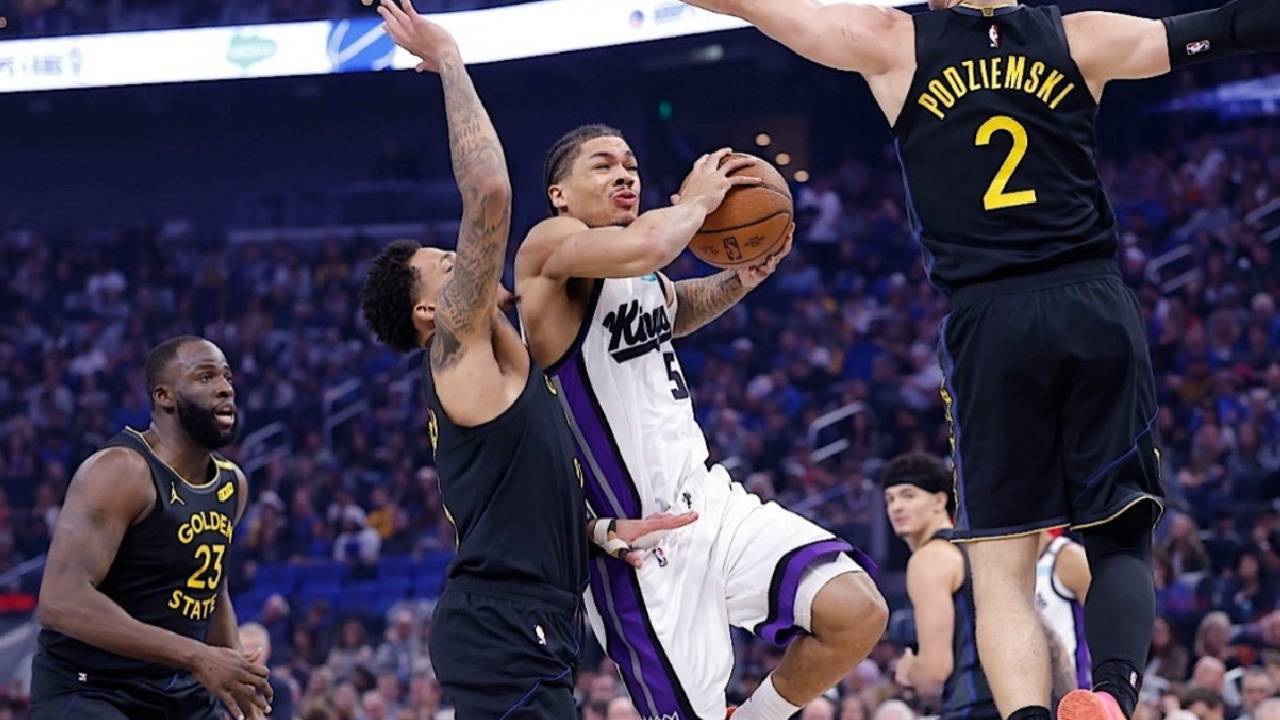
Darius Acuff Jr. of the 2026 NBA Draft class averaged 25.7 points per game through 15 appearances, topping Luka Dončić’s 19.5 over the same rookie stretch. Dončić scored more efficiently, while Trae Young led the sample in assists. Yaxel Lendeborg matched Dončić’s raw true shooting, but Dončić cleared his rookie-season league average by a wider margin. The 2018 class still has the edge in playoff creation.
The November 25 Rookie Ladder put Acuff first after he led rookies with 24.6 points and 7.2 assists per game. Lendeborg slipped to fourth even as his early efficiency held up in the historical comparison. The NBA Cup game that night showed how differently the two rookies produced, with Acuff handling the ball and Lendeborg finding baskets as a cutter.
What The 2026 NBA Draft Class Did In 15 Games
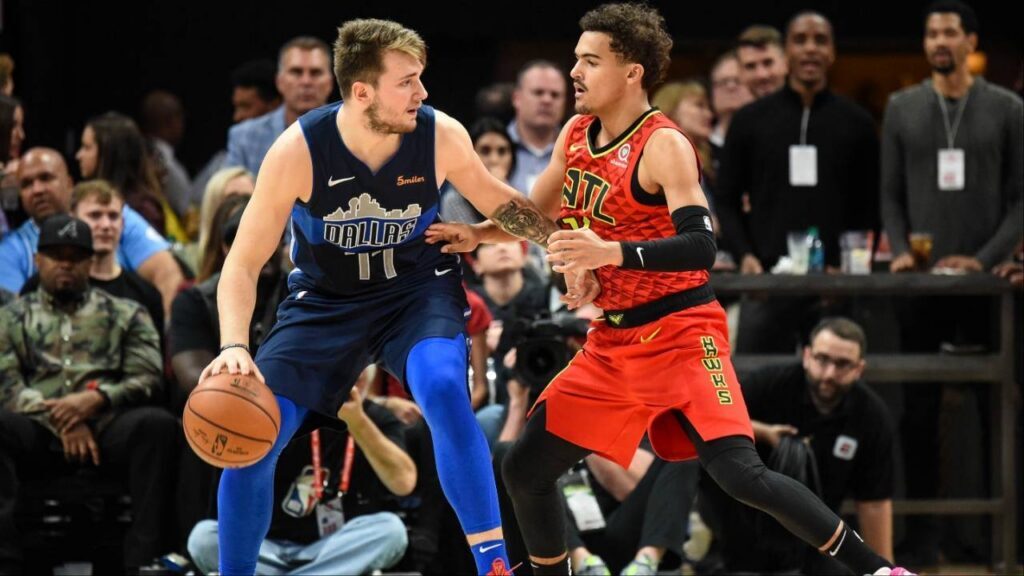
Acuff’s rookie game log shows the most minutes per game, while the Lendeborg game log shows better scoring efficiency in less playing time. The comparison covers six selected rookies across their first 15 regular-season appearances. The Dončić game log and Young game log capture two different playmaking roles in the 2018 class, while Shai Gilgeous-Alexander played fewer minutes in his rookie game log. The Curry game log adds a 2009 benchmark, with Stephen Curry averaging 10.4 points in roughly 31 minutes before becoming a championship focal point.
| Player | Draft | MPG | PPG | APG | TS% | TS% vs. league |
| Darius Acuff Jr. | 2026 | 37 | 25.7 | 7.3 | 52.0% | −5.3 pp |
| Yaxel Lendeborg | 2026 | 32 | 20.3 | 3.5 | 58.1% | +0.8 pp |
| Luka Dončić | 2018 | 34 | 19.5 | 4.2 | 58.1% | +2.1 pp |
| Trae Young | 2018 | 30 | 16.7 | 8.0 | 50.0% | −6.0 pp |
| Shai Gilgeous-Alexander | 2018 | 27 | 9.7 | 2.9 | 54.8% | −1.2 pp |
| Stephen Curry | 2009 | 31 | 10.4 | 5.4 | 52.9% | −1.4 pp |
First 15 regular-season appearances. The final column shows percentage points above or below the corresponding league average.
Lendeborg and Dončić both posted 58.1 percent true shooting, but Dončić finished 2.1 percentage points above his rookie-season league average while Lendeborg finished 0.8 points above his. Minutes in the table are rounded per game, and true shooting uses points, field-goal attempts and free throws weighted at 0.44. The league true shooting baseline was 54.3 percent in 2009–10 and 56.0 percent in 2018–19. The November 28 snapshot shows 57.3 percent through 281 games.
Acuff’s November 15 home game against the Oklahoma City Thunder shows the trade-off behind his scoring lead. The Sacramento Kings rookie put up 26 points on 25 shots and committed nine turnovers. Young averaged eight assists in roughly 30 minutes through his first 15 games, while Acuff averaged 7.3 in roughly 37 minutes. Acuff took on more scoring, and Young generated more assists in less playing time.
How Deep Does The Class Go?
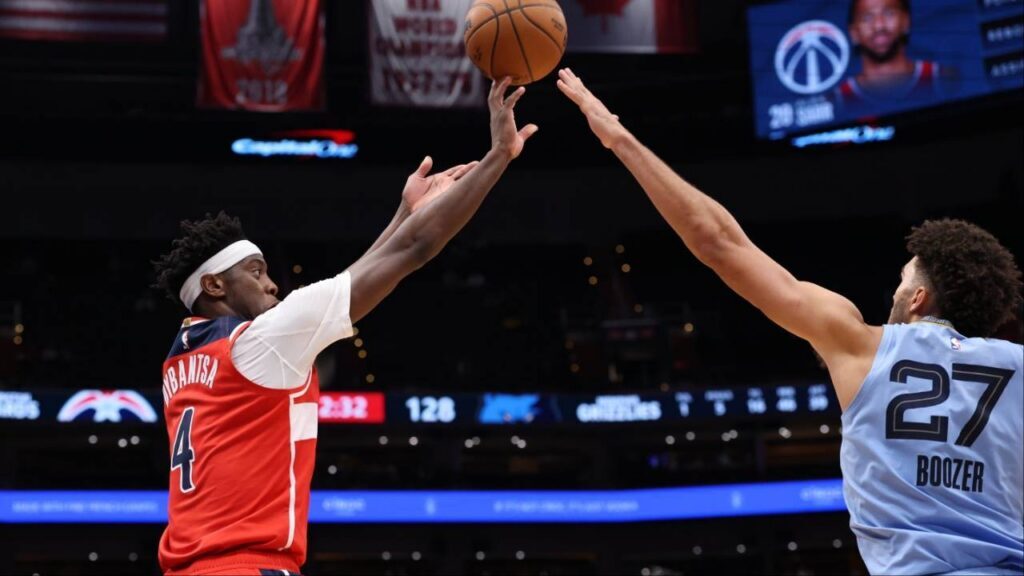
The official draft board puts Acuff seventh and Lendeborg 11th, so the class’s early scoring extends beyond the top five. The Memphis Grizzlies gave Cameron Boozer playmaking work in addition to his scoring and rebounding, which came to 16.6 points and 9.2 boards per game through 16 appearances. Boozer recorded 12 assists in a road triple-double against the Portland Trail Blazers. Only Josh Giddey had recorded an NBA triple-double at a younger age.
A sprained right ankle interrupted Boozer’s season, and the November 23 injury update set his reevaluation at four weeks. Chicago Bulls rookie Caleb Wilson averaged 18.9 points through 10 starts before undergoing hand surgery. Darryn Peterson had a five-game 20-point streak for the Utah Jazz before going 1-for-19 from three across four games. Peterson still averaged four assists in the November 25 rankings.
AJ Dybantsa recorded two 20-point double-doubles in three games for the Washington Wizards, including 20 points and 11 rebounds against the Boston Celtics. The rookie added seven assists in that game. The weekly Bulls recap credits Dybantsa with 20 points, 10 rebounds and six assists against Chicago. Anthony Davis scored 36 for Washington in that matchup.
Aday Mara averaged 7.1 rebounds and 1.7 blocks in the November 25 snapshot, giving Oklahoma City a presence on the glass and at the rim. The Thunder center also had an eight-assist game. Cleveland Cavaliers rookie Meleek Thomas shot 40.7 percent from three through 15 games and scored in double figures 12 times. The 34th pick still needs a longer shooting sample, but his start and Mara’s interior work show how the class can contribute beyond its featured scorers.
Why 2018 Leads On Playoff Creation
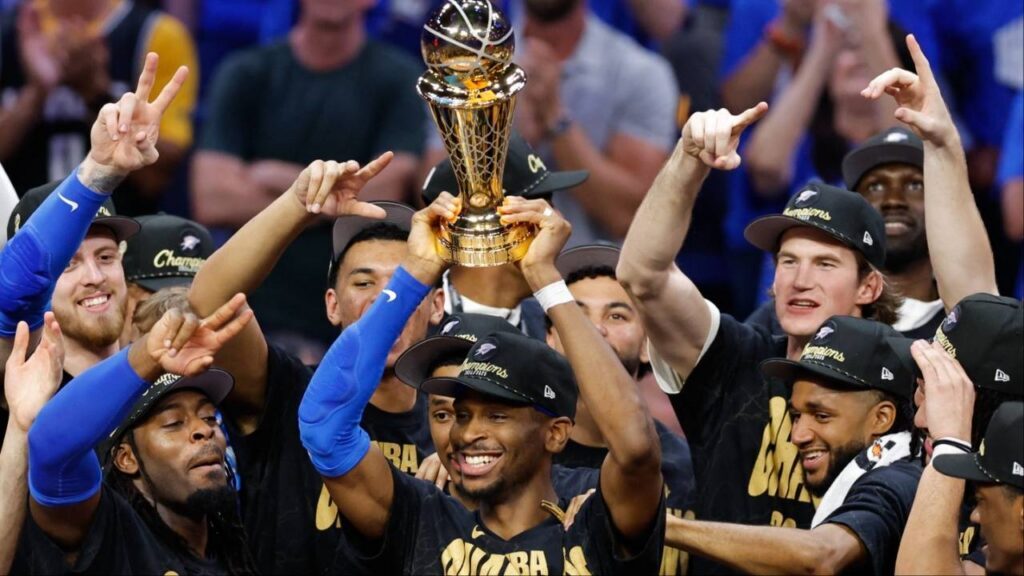
The 2003 class set the benchmark with LeBron James, Carmelo Anthony, Chris Bosh and Dwyane Wade, four players their teams could build around. James went first and Wade fifth. The playoff test here looks for at least 20 points and five assists per game across a postseason, with each player counted once. Players must appear in the conference finals or later to qualify, and the test measures only scoring and passing.
Curry and James Harden represent the 2009 class with different kinds of deep runs. Curry averaged 27.4 points and 5.9 assists during the 2022 title run, giving the class a championship peak. Harden supplied 28.6 points and 6.8 assists in the 2018 playoffs. DeMar DeRozan and Jrue Holiday add All-Star depth to a class with two clear examples of lead playoff creation.
The 2011 class counters with Kyrie Irving, Isaiah Thomas and Jimmy Butler. Irving averaged 25.9 points and 5.3 assists in the 2017 playoffs, while Thomas averaged 23.3 points and 6.7 assists that postseason. Butler posted 22.2 points and 6.0 assists in the 2020 playoffs. Kawhi Leonard’s 3.9 assists per game in 2019 show how an elite playoff run can fall below this particular passing threshold.
The 2018 draft supplies four examples on separate teams, beginning with Young and Dončić. Young averaged 28.8 points and 9.5 assists in the 2021 playoffs, including 48 points in the 2021 East finals opener. Dončić averaged 28.9 points and 8.1 assists in the 2024 playoffs. The run also earned Dončić West finals MVP honors.
Gilgeous-Alexander posted 29.9 points and 6.5 assists in the 2025 playoffs, and Jalen Brunson averaged 28.4 and 6.1 the following postseason. The Finals MVP list includes both guards. The selected players yield four qualifiers for 2018, three for 2011 and two for 2009. The 2018 class gets the edge here because that depth also produced two Finals MVPs.
What The NBA Cup Matchup Revealed
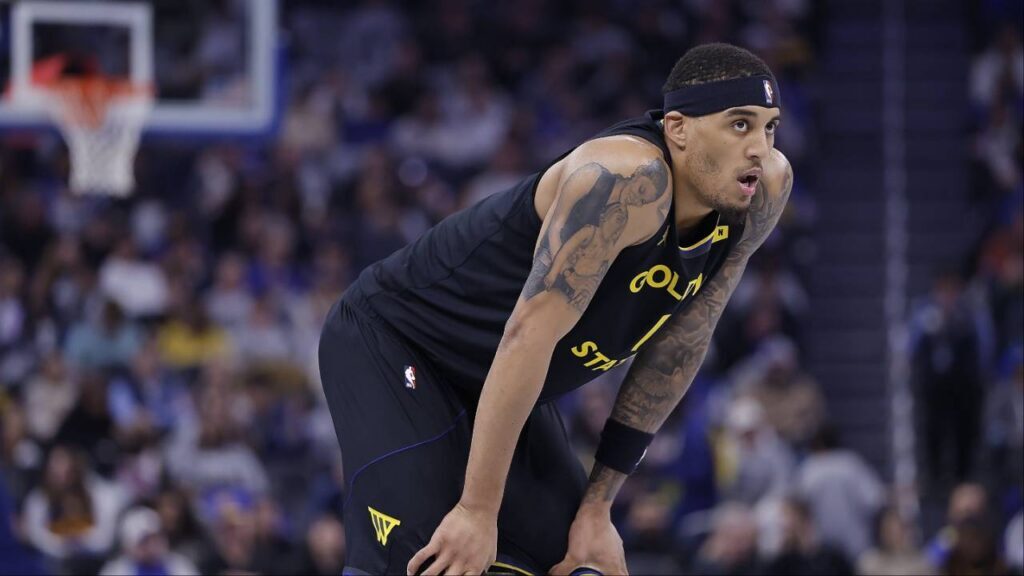
The Golden State Warriors beat the Kings 129–110 on November 25, with De’Anthony Melton hitting eight threes. The team recap credits Golden State with 37 assists and 20 threes. Acuff scored 22 points and added nine assists for Sacramento. The Cup box score also shows nine makes on 24 shots and five turnovers, a reminder of how many possessions ran through him.
Lendeborg finished with 15 points and eight rebounds for the Warriors despite missing all three attempts from deep. The official gamebook records Draymond Green finding him for a cutting layup with 1:11 left in the first half, then setting him up for a cutting dunk 22 seconds later. The earlier Warriors analysis called for more catches on the move. The Lendeborg breakdown tracked 35 turnovers through 10 games, and Green’s two passes gave the rookie chances to finish without having to create from a standstill.
End Of My 2026 NBA Draft Class Rant
Boozer is my pick to become the class’s best playoff creator after averaging 5.3 assists through 16 games. Defensive rebounds allow him to initiate possessions, and his passing gives Memphis an option when guards need to work off the ball. Acuff has the stronger scoring résumé so far, while Boozer can organize an offense without dominating the dribble. A reliable jumper would give defenders fewer chances to sag off him.
The 2026 NBA Draft class needs more than one rookie to challenge 2018 on playoff creation. Acuff’s next step is turning heavy minutes into more efficient possessions against defenses prepared to take away his first option. Lendeborg’s cutting and finishing already give him ways to help alongside another creator. Boozer offers the best starting point, and the class’s case will strengthen if those different skills hold up in playoff rotations.
