
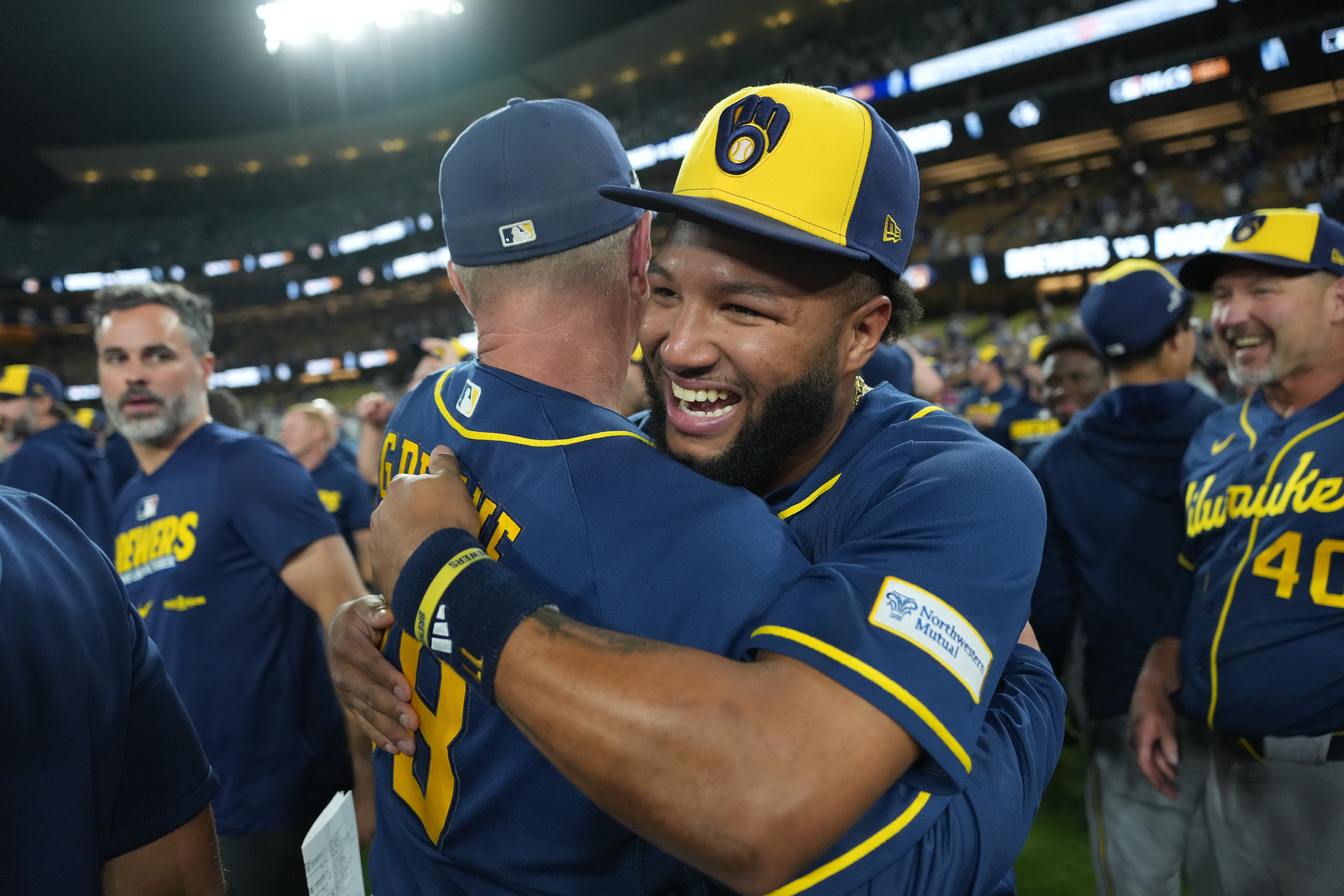
The 2026 MLB Playoffs have been anything but predictable, as the Milwaukee Brewers await the winner of the American League Championship Series between the Tampa Bay Rays and Cleveland Guardians. The combined payrolls of those three teams total $316 million, less than the payroll of either the Los Angeles Dodgers or New York Yankees. Both big-market teams were swept by the Brewers and Rays, respectively. Naturally, the events of this unpredictable October have fans wondering: Does MLB really need a salary cap?
Small-market teams have dominated the headlines this October, but their success should come as no surprise. The Brewers and Rays were comfortably the best teams in their respective leagues this year, while the Guardians won their division. All three play a similar brand of gritty, team-oriented baseball that consistently produces results. They push the envelope with speed, advance runners, execute situational hitting, and generally excel at the little things that win ballgames.
On the pitching side, all three teams excel at identifying talent that other organizations may have overlooked and turning it into effective major-league arms. For instance, Bryan Baker, the breakout closer who posted a 1.44 ERA for the Rays this year, was unceremoniously dumped by the Orioles in 2025 in exchange for a draft pick. Cam Booser had retired at 29 and was working as a union carpenter. Fast-forward five years, and he posted a 1.98 ERA in the big leagues, establishing himself as one of the game’s top left-handed setup men at age 34.
These clubs demonstrate that talent identification, player development, and a strong team mentality can be just as effective as nine-figure contracts and superstar rosters.
The MLB Players Association (MLBPA) will likely point to these teams’ success as further evidence that a salary cap is unnecessary. If teams can compete and win despite operating under tighter financial constraints, why limit the big spenders? Perhaps the competitive balance MLB is seeking is already here. Right?
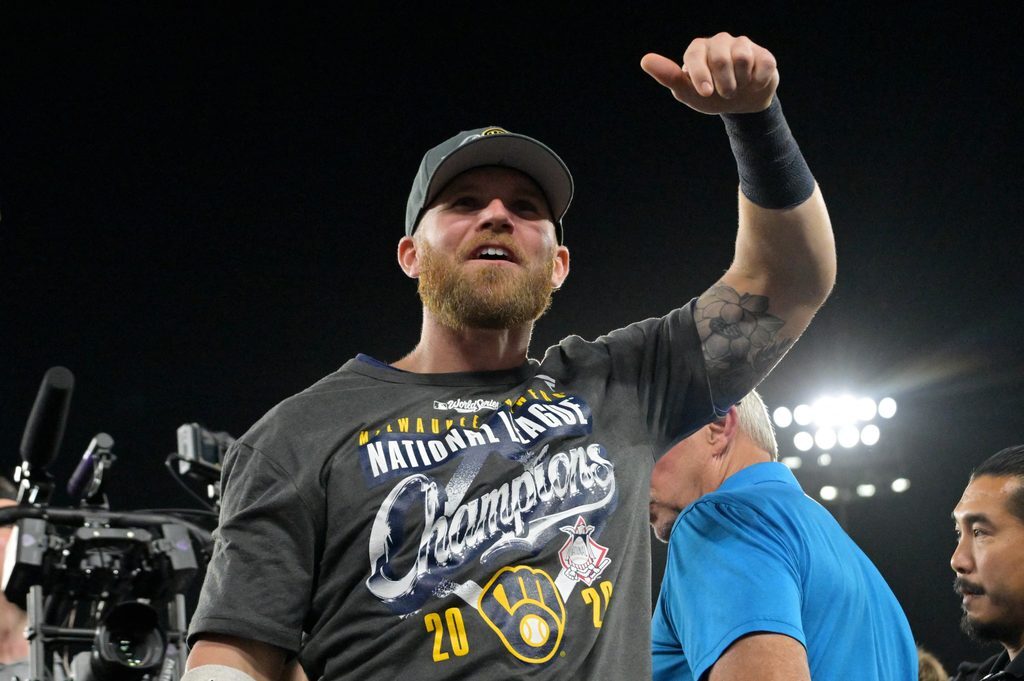
While that line of reasoning is perfectly reasonable, the league is likely to counter by arguing that this postseason is an anomalous outlier. Although small-market teams have found regular-season success with some consistency, that success has rarely translated into championships. The last time a team ranked among MLB’s 11 lowest payrolls won the World Series was in 2003, when the Florida Marlins toppled the heavily favored Yankees in six games.
This year, that streak will end. The Brewers rank 19th in MLB payroll and are the clear favorites to win the World Series, regardless of which team emerges from the American League. The Rays rank 25th, while the Guardians sit dead last.
Regardless of the outcome, this postseason represents a historic departure from the league’s recent championship trends. With no team in the bottom 11 payrolls winning the World Series since 2003, MLB is unlikely to view one unusual postseason as a compelling reason to abandon its push for a salary cap and floor.
Although the dominance of small-market teams has been remarkable to watch, it is unlikely to produce any significant changes to the impending labor dispute. The baseball world could come to a standstill on December second, when the current Collective Bargaining Agreement expires.
Both MLB and the MLBPA remain firmly committed to their respective positions, and there is little indication that either side will concede ground anytime soon, regardless of which team wins the championship this year.
Baseball fans should enjoy this historic postseason while it lasts, but they should also prepare for a potentially arduous winter of legal wrangling and labor negotiations.
